Northwest Austin Drivers Face New Traffic Reality as 183 North Mobility Project Opens Key Sections
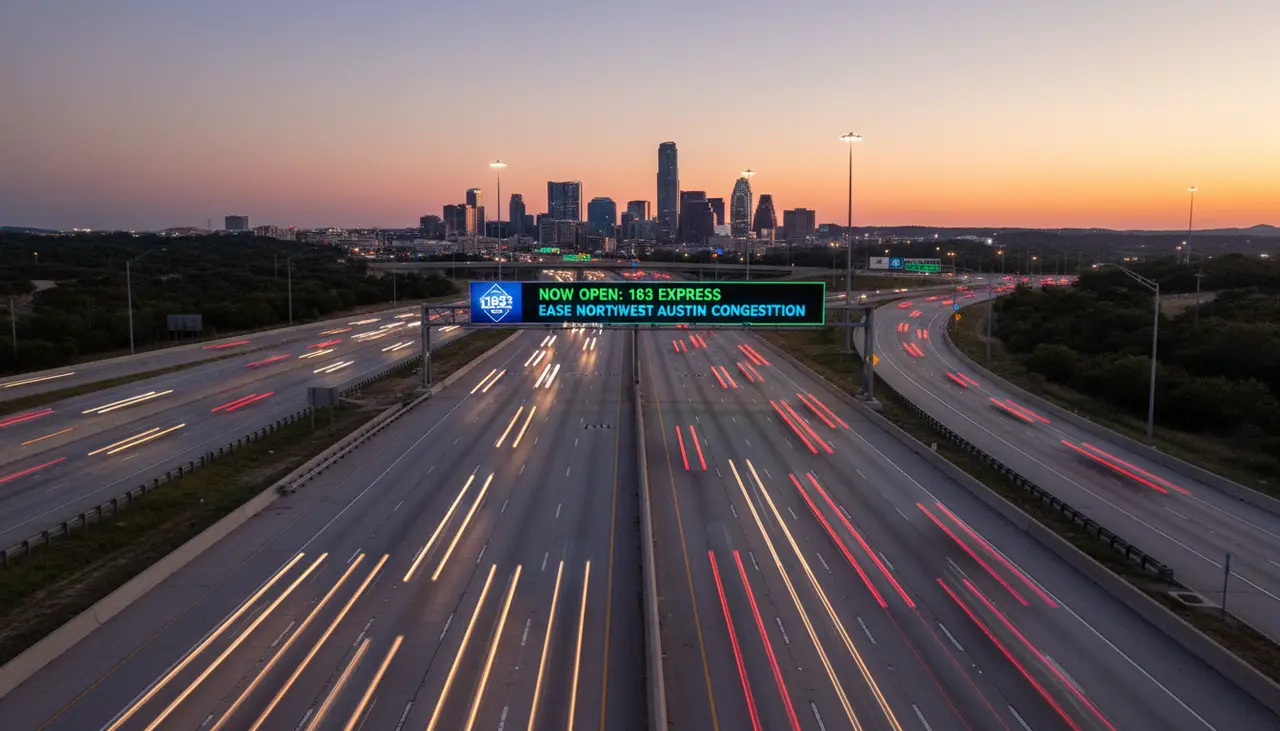
It’s 7:30 a.m. on a Tuesday, and the intersection of Research Boulevard and Mopac Expressway in the Northwest Hills neighborhood is buzzing with the usual rush-hour chaos. But something is different. Drivers heading northbound on U.S. 183 suddenly find two new express lanes open, and a sleek flyover ramp now connects Mopac directly to 183 without the stop-and-go bottleneck that used to snarl this stretch. For many, the commute just got faster. But the shift also brings new risks—and confusion—that could quickly turn a routine drive into a costly, dangerous mistake.
What’s Changed on 183 North?
Since 2021, the Central Texas Regional Mobility Authority (CTRMA) has been steadily transforming this critical corridor through Northwest Austin. The latest milestone: the full opening of two northbound express lanes and a direct connector from Mopac (Loop 1) to U.S. 183. This means drivers now have:
- Two dedicated northbound express lanes with variable toll pricing to manage traffic flow.
- A fourth general-purpose lane added in each direction to ease congestion for all vehicles.
- New flyover ramps that allow seamless transitions between the 183 Express Lanes and Mopac Express Lane without merging into regular traffic.
- Approximately nine miles of ADA-compliant sidewalks on both sides of the highway, improving pedestrian and cyclist safety.
According to Lindsay Whelchel-Rademacher, CTRMA’s public engagement lead, this project aims to provide a “more reliable route” through one of Austin’s most congested corridors. But she warns drivers to slow down and pay close attention to new signage and lane configurations. “People should expect that things could be different from the last time they drove here,” she said.
Why This Matters to You and Your Household
If you live or work in Northwest Austin neighborhoods like Northwest Hills or Jollyville, or if you commute through the area via Research Boulevard, Burnet Road, or Mopac, these changes impact your daily travel—and your safety.
Here’s what’s at stake:
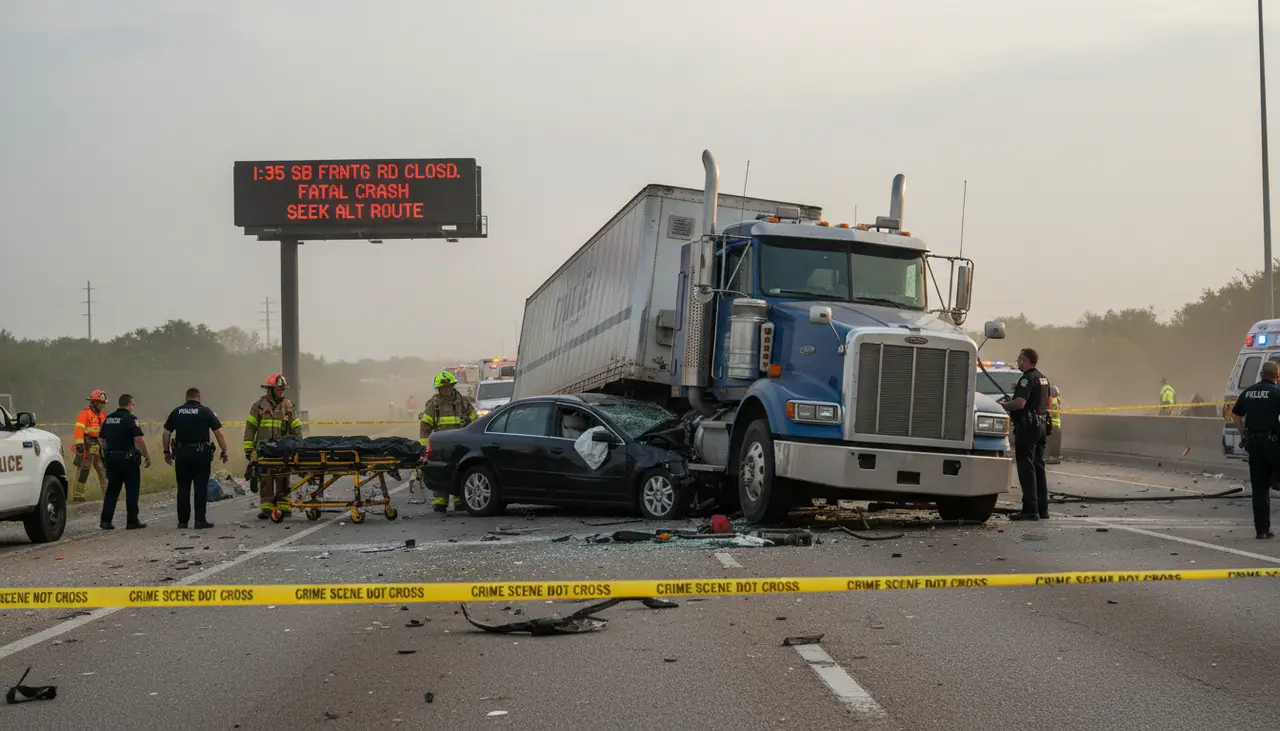
- Safety risks: The express lanes are separated from general-purpose lanes by flexible white delineators. Crossing these barriers outside designated entry points can cause high-speed collisions, secondary accidents, and serious vehicle damage. Ignoring these rules can also lead to large fines.
- Time and stress: While the express lanes are designed to keep traffic moving smoothly, misunderstanding the new lane system or missing exits can cause delays longer than before the project started.
- Financial impact: The express lanes use variable toll pricing that rises during peak times. Drivers unfamiliar with the system risk unexpected charges on their accounts.
- Accessibility and mobility: For pedestrians and cyclists in the area, including those visiting the Charlie Center on Research Boulevard—a key local institution helping people transition from homelessness to housing—the new sidewalks and improved bus stop connections provide safer, more reliable access. Ignoring these improvements could mean missing out on critical community resources.
If You Encounter Problems: What to Do Immediately
Changes this significant bring confusion that can cause accidents or costly mistakes. If you find yourself in trouble on or around 183 North, follow these steps:
- Slow down immediately and move your vehicle safely to the shoulder if possible.
- Turn on your hazard lights to alert other drivers.
- Do not attempt to cross express lane delineators outside of designated entry or exit points.
- If involved in a collision, call 911 right away to report the accident and request emergency services.
- Document the scene with photos and take notes on what happened, including weather, traffic conditions, and signage visibility.
- Exchange insurance and contact information with other parties involved.
- Contact your insurance company to report the incident and begin the claims process.
When Local Professional Help Becomes Necessary
Not every traffic incident or confusion can be resolved on your own. You need to contact professionals in these situations:
- After a collision: If you suffered injuries, significant vehicle damage, or if fault is disputed, you need to consult a local attorney experienced in traffic and personal injury law. They can protect your rights and ensure you receive proper compensation.
- Property damage to your home or business: Construction and road changes near neighborhoods like Northwest Hills have caused occasional driveway and sidewalk disruptions. If your property was damaged or altered improperly, hire a licensed contractor or planner to assess repairs and compliance with ADA standards.
- Vehicle repairs: High-speed collisions with delineators or other vehicles require immediate attention from certified auto repair shops familiar with collision damage and insurance claims.
- Navigation and planning: If your daily routes have changed drastically and you’re unsure how to adapt, consider consulting local traffic planners or transportation consultants who understand Austin’s evolving infrastructure.
What’s Next for 183 North? What Austin Residents Should Know
While the northbound lanes and direct connectors are now open, construction continues on southbound lanes and the remaining flyover structures. Full completion is expected in the coming months, but for now, drivers must navigate a partially finished system that demands caution.
For residents of Northwest Hills, Jollyville, and nearby neighborhoods, this corridor is a lifeline. Many travel daily via Research Boulevard, Burnet Road, or Mopac to reach workplaces, schools, and local institutions like the Charlie Center. The changes promise better traffic flow and safety—but only if drivers respect the new rules and adapt quickly.
Ignoring the risks could mean not just longer commutes but serious accidents, legal hassles, and financial setbacks. This is not a time to treat the road casually.
Where This Is Happening in Austin
The 183 North Mobility Project covers a busy stretch of U.S. Highway 183 running through Northwest Austin neighborhoods including Northwest Hills and Jollyville. Key intersections affected include Research Boulevard, Burnet Road, and the Mopac Expressway (Loop 1). This corridor is a vital artery for commuters traveling to and from downtown Austin, as well as for residents accessing community hubs like the Charlie Center on Research Boulevard.
Local drivers often rely on these routes to navigate the city’s growing traffic, making the success and safety of the 183 North improvements critical to daily life. Whether you’re a daily commuter, a cyclist, or a pedestrian, understanding these changes—and acting accordingly—is essential to avoid accidents, fines, and unnecessary stress.