Nightfall on West North Loop: A Deadly Flood and Widespread Blackouts Shake North Austin
Just after dusk on Wednesday evening, around 7 p.m., the usually busy 2200 block of West North Loop Boulevard in North Austin became a scene of tragedy and chaos. The neighborhood, home to families and longtime residents like Don Gillespie, who has lived in North Austin since 2003, faced rapidly rising waters from Hancock Creek. The creek surged to nearly a foot below the nearby pedestrian bridge, swallowing streets and threatening homes. Emergency teams were scrambling when a man, missing for over 20 minutes, was found submerged in the floodwaters. Despite efforts, he was pronounced dead, according to Austin-Travis County EMS Chief Robert Luckritz.
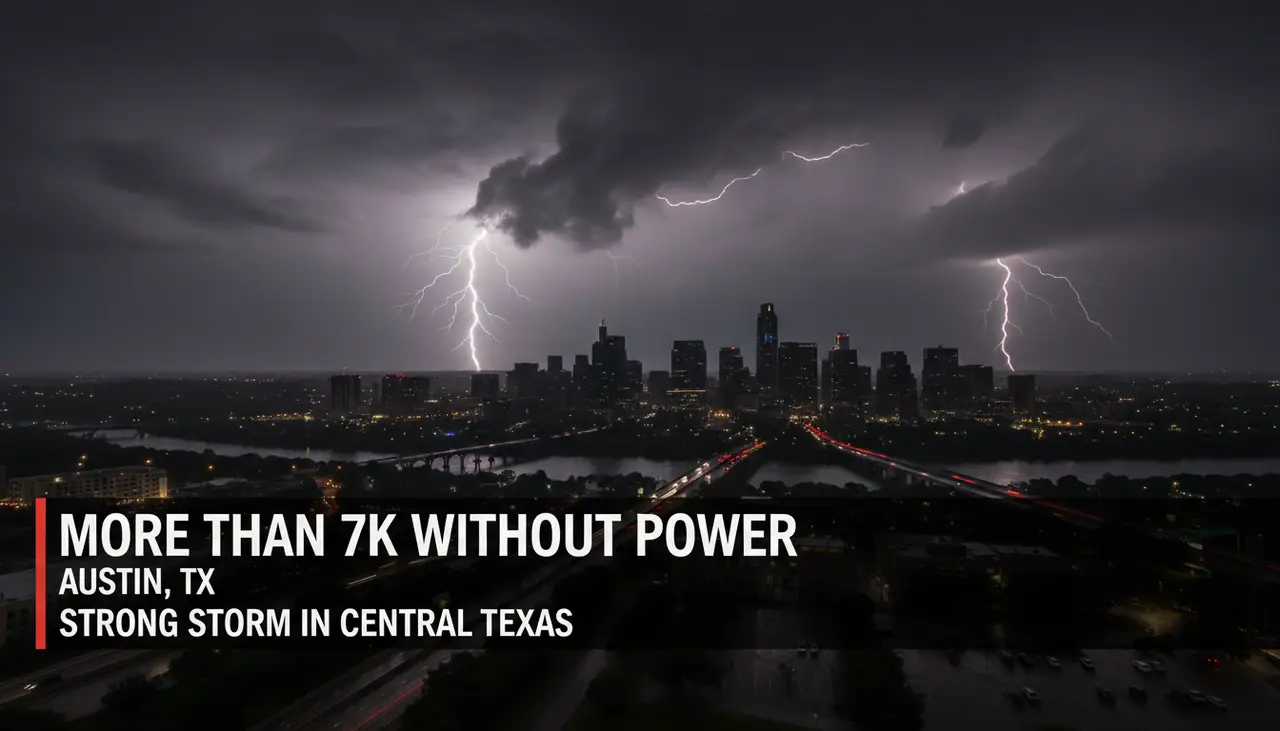
At the same time, a powerful microburst swept through North and Central Austin, unleashing sustained winds estimated between 65 and 85 mph. The storm tore through utility infrastructure, snapping over 100 power poles and leaving thousands in the dark. Austin Energy reported a peak outage affecting 72,500 customers—roughly 181,250 people—with 13,000 still without power late Thursday evening. Rainfall poured down at an alarming rate of 2 to 3 inches in just half an hour, overwhelming drainage systems and turning streets into dangerous waterways.
What This Means for Austin Residents
This storm wasn’t just a weather event—it was a direct threat to your safety, your property, and your daily life. Flooding like what hit West North Loop can trap vehicles, damage homes, and create deadly conditions for anyone caught outside. The loss of power to tens of thousands of homes and businesses means no lights, no refrigeration, no air conditioning or heating, and disrupted communications at a time when staying connected is critical.
Broken utility poles and downed power lines pose immediate risks of electrocution and fire. The damage also means traffic lights are out, increasing the risk of accidents and gridlock on Austin streets. For households, the storm’s aftermath could mean costly repairs, lost work hours, and the stress of displacement if flooding or structural damage occurs. With isolated thunderstorms expected again early Friday morning, including large hail and damaging winds, the danger isn’t over.
If You Are Affected: What to Do Now
- First, avoid flooded streets like the 2200 block of West North Loop Boulevard and areas near Hancock Creek. Do not attempt to drive or walk through rising water—it’s a common cause of injury and death.
- Stay away from any downed power lines. Assume all wires are live and dangerous. Report downed lines immediately by calling 512-322-9100.
- Check on neighbors, especially the elderly or those with mobility issues, but only if it’s safe to do so.
- Conserve phone battery power and keep your devices charged. Use text messages or social media to communicate if possible.
- If your power is out, unplug sensitive electronics to avoid damage when electricity returns.
- Monitor local news and weather updates for further storm warnings or recovery instructions.
- Prepare for possible additional severe weather early Friday by securing loose outdoor items and reviewing your emergency supplies.
When You Need Professional Help
Some situations require immediate expert intervention. If your home or property has suffered structural damage from flooding or wind, you need to contact a licensed contractor or structural engineer to assess safety and begin repairs. Attempting to fix electrical damage yourself can be deadly—always hire certified electricians to handle outages caused by storm damage.
If you experience significant property loss or disputes related to insurance claims, consulting a local attorney can protect your rights and help you navigate complex legal processes. Flood damage and power outages often lead to disputes that require professional advice.
Urban planners and emergency response professionals are also critical in the aftermath to help communities rebuild smarter and safer. If your neighborhood is repeatedly affected by flooding or power failures, get involved with local planning efforts to advocate for infrastructure improvements.
Living with Risk in Austin’s Flood-Prone Zones
For residents of North and Central Austin, particularly those near waterways like Hancock Creek, this storm is a stark reminder of the risks posed by severe weather. Many people pass through West North Loop Boulevard daily—whether commuting, running errands, or walking pets—and the dangers of flash flooding and high winds are not theoretical. This storm ranks as the third worst for outages since 2012, underscoring the vulnerability of Austin’s power grid to intense, sudden weather events.
With more storms predicted, the time to prepare is now. Understanding the risks, knowing how to respond, and having trusted professionals ready to call can make the difference between manageable disruption and disaster.
Where This Is Happening in Austin
The 2200 block of West North Loop Boulevard sits in North Austin, a neighborhood intersected by Hancock Creek, which flows near pedestrian bridges and local streets. This area connects to major roads used by thousands of Austinites daily. Nearby neighborhoods in North and Central Austin were also impacted by the microburst, which brought damaging winds and heavy rains. Residents commuting through West North Loop and its surrounding streets faced flooded roads and power outages, highlighting how quickly a severe storm can disrupt daily life in Austin.