Morning Rush at East 6th and Chicon: A Firefighter’s Fight Beyond the Flames
It’s 7:30 a.m. on a busy weekday at the intersection of East 6th Street and Chicon Street, nestled in the heart of East Austin’s vibrant community. Commuters inch forward in their cars, cyclists weave through traffic, and pedestrians hurry past local shops. Amid this familiar bustle, a different kind of emergency is unfolding—not on the streets, but in the lives of those who serve this city.
What Happened
Lieutenant Suzanne LaFollette, a dedicated Austin firefighter with nearly two decades of service, has been diagnosed with stage-four ovarian cancer. The diagnosis came in May 2025, after about a year and a half of symptoms that led to an emergency radical hysterectomy. Despite aggressive chemotherapy, the cancer has spread through her lymph nodes and is considered terminal.
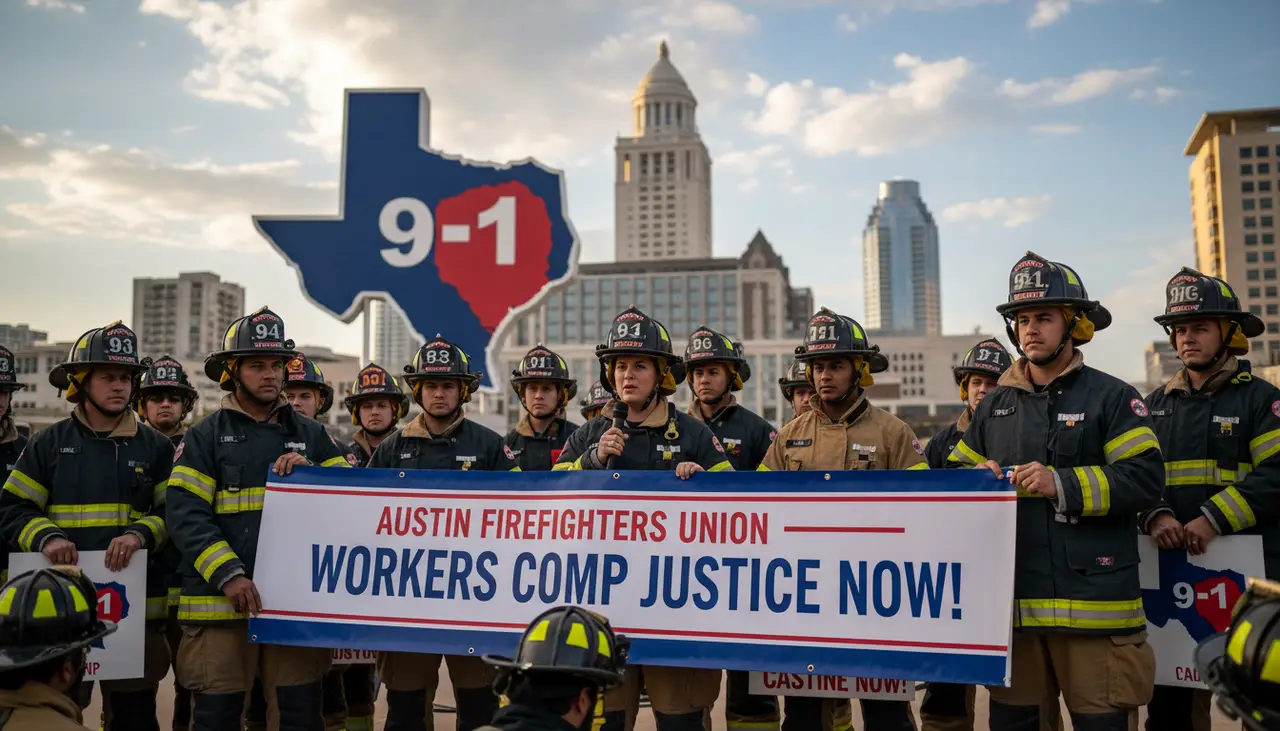
Lieutenant LaFollette believes her illness is linked to carcinogen exposure on the job. However, her claim for workers’ compensation has been denied by the city. The denial stems from Texas’s firefighter cancer coverage laws, which currently include prostate and testicular cancers but exclude female reproductive cancers like ovarian cancer. This contrasts with federal coverage, which does include such cancers.
The Austin Firefighters Association, led by President David Girouard, has been vocal about the injustice faced by LaFollette and others. Austin City Council Member Paige Ellis has also highlighted the issue, with a contested case hearing scheduled for April to review the denial of LaFollette’s claim.
Why This Matters Locally
This is not just a personal tragedy—it’s a warning signal for Austin’s firefighting community and their families. Firefighters like LaFollette put their lives on the line daily, risking exposure to hazardous substances. When the system denies coverage for cancers linked to their work, it creates a financial and emotional crisis for families who rely on those benefits.
For Austin residents, this gap in coverage means that if a firefighter in your household falls ill with a cancer type excluded by state law, they could face mounting medical bills without workers’ compensation support. This can lead to stress over housing stability, loss of income, and the burden of navigating complex legal battles while managing health crises.
Beyond firefighters, this case raises questions about occupational health protections in Austin’s public safety departments. If the city’s policies don’t evolve, other essential workers could face similar denials, putting public safety and community well-being at risk.
If This Happens to You: What to Do Immediately
- 1. Document your diagnosis and treatments thoroughly. Keep all medical records and work history accessible.
- 2. Notify your employer about your condition as soon as possible, providing medical evidence linking your illness to workplace exposure if available.
- 3. File a workers’ compensation claim promptly, following your employer’s procedures to avoid missed deadlines.
- 4. Prepare for possible denial by gathering statements from healthcare providers and any relevant workplace safety reports.
- 5. Attend all scheduled hearings or review conferences, such as the April contested case hearing for LaFollette.
- 6. Keep detailed notes of all communications with city officials, insurance representatives, and legal contacts.
- 7. Reach out to local firefighter associations or support groups to connect with others facing similar challenges.
When Local Professional Help Becomes Necessary
At critical points, professional assistance is essential. If your workers’ compensation claim is denied, you need to contact an experienced attorney who specializes in occupational health and workers’ rights. Legal expertise is vital to navigate complex state laws and to challenge unfair denials.
Medical advocates or case managers can also be necessary to coordinate treatment plans and ensure your healthcare providers document all occupational links to your illness.
In cases where home modifications become necessary due to illness-related disabilities, contractors and planners familiar with accessibility standards must be consulted immediately to maintain safe living conditions.
Finally, if your illness impacts your income or housing stability, professional financial advisors or social workers can help manage resources and connect you with local assistance programs.
Close with Local Context
East 6th Street and Chicon Street are more than just a busy intersection—they represent the daily grind of Austin’s essential workers and the community that depends on them. Firefighters like Suzanne LaFollette serve neighborhoods across Austin, including East Austin, where many residents pass through this area on their way to work, school, or home.
This case puts a spotlight on the urgent need for local and state policies to better protect those who protect Austin. The decisions made here affect not only firefighters but every household in the city facing occupational health risks.
Where This Is Happening in Austin
The intersection of East 6th Street and Chicon Street sits within the East Austin neighborhood, a hub of activity known for its mix of residential and commercial spaces. Nearby streets like Comal and Rosewood connect this area to the rest of the city, making it a frequent route for commuters and emergency responders alike.
Residents often navigate this corridor during rush hours, relying on the safety and service of Austin’s firefighters. The challenges faced by Lieutenant LaFollette underscore the risks tied to this critical work and highlight why community vigilance and support are necessary.