Protest Lawsuit Against UT Advances, Raising Urgent Free Speech and Arrest Concerns for Austin Residents
It’s just past 5 p.m. on Guadalupe Street, the bustling corridor known as “The Drag” near the University of Texas at Austin campus. Students and locals are heading home or to nearby coffee shops when a low rumble of conversation turns tense. The memory of last year’s mass arrests during a canceled Palestine protest still lingers here—on this stretch between 24th and 29th Streets, where the university’s influence is unmistakable. Now, a recent federal court ruling has reignited debate and concern about what happens when free speech clashes with campus security and law enforcement.
What Happened: Lawsuit Moves Forward Against UT Administration and Regents
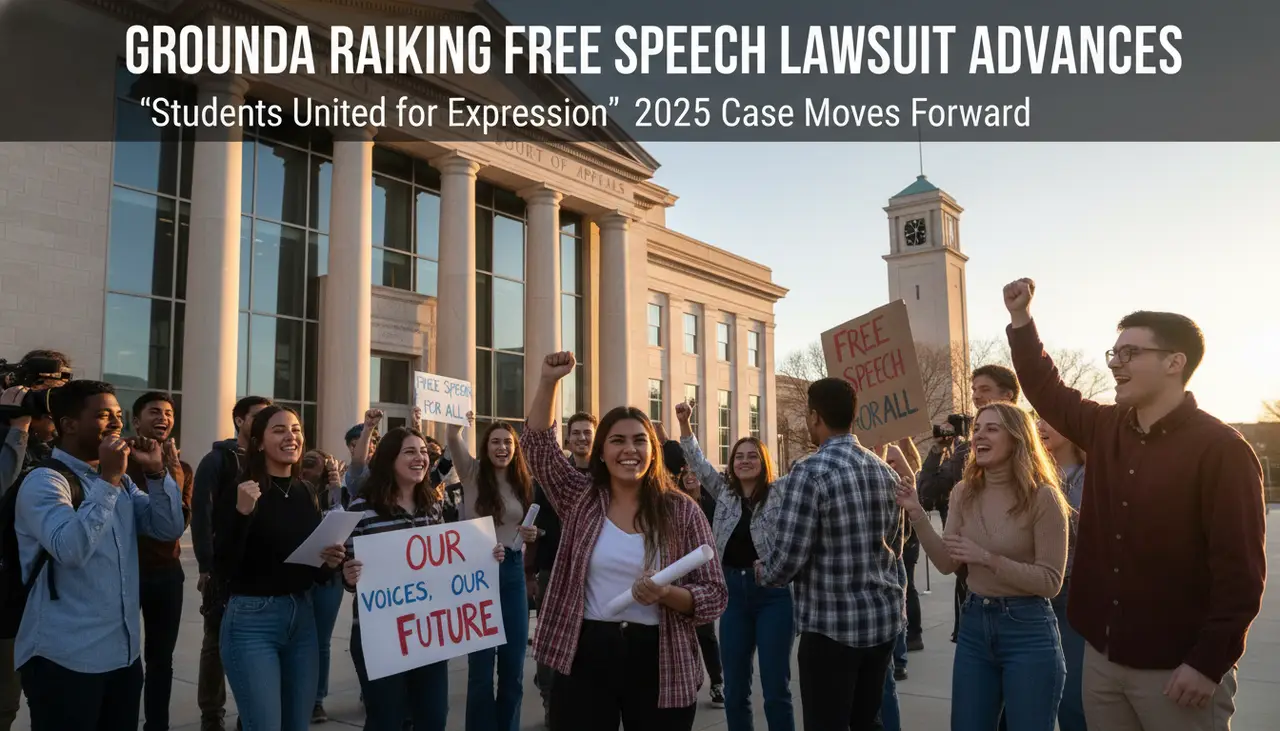
On January 27, 2026, a federal judge issued a court order allowing a lawsuit filed in April 2025 by two University of Texas students and two alumni to proceed. The lawsuit challenges the University of Texas, UT System Board of Regents Chairman Kevin Eltife, and UT President Jim Davis for allegedly violating the plaintiffs’ First Amendment rights during a protest on April 24, 2024.
The protest, organized by UT’s Palestine Solidarity Committee and scheduled for the UT campus near Speedway and 24th Street in the Hyde Park neighborhood, was canceled preemptively by university officials. Despite the cancellation, state and local law enforcement mobilized heavily on campus, resulting in 57 arrests. The plaintiffs—among those arrested—claim they were targeted for their pro-Palestinian views amid Israel’s military campaign in Gaza, which they describe as genocide.
The lawsuit also named Gov. Greg Abbott and several law enforcement officers as defendants, but the judge dismissed most claims against them. Only Eltife and Davis remain defendants regarding the free speech claims. The case now enters a discovery phase, where depositions of university and law enforcement officials could reveal the decision-making behind the mass arrests.
Why This Matters Locally: The Real Impact on Austin Residents
The ruling isn’t just a legal footnote; it signals a significant moment for anyone living, working, or studying in Austin—especially near UT and surrounding neighborhoods like Hyde Park and North University. Here’s why:
- Campus Safety and Policing: The lawsuit raises serious questions about how law enforcement and university officials handle protests, which directly affects neighborhood safety. Heavy police presence and mass arrests can disrupt daily life, causing road closures and traffic snarls on Speedway, Guadalupe, and nearby streets.
- Free Speech and Civic Engagement: Students and community members may hesitate to express political views or join campus groups for fear of retaliation. This chilling effect limits open dialogue in a city known for activism, especially in areas like the West Campus and downtown Austin.
- Time and Stress Costs: Those arrested or involved in protests face legal battles, missed classes, and potential suspensions—as in the case of Ammer Qadummi, the first student arrested and suspended for three semesters. This disrupts education and future job prospects, impacting families and households financially and emotionally.
- Traffic and Housing Market: Protests and law enforcement responses near UT can cause significant traffic delays on key arteries like 24th Street and Guadalupe, affecting commutes from neighborhoods such as Hyde Park and Clarksville. Prolonged unrest can also influence rental demand and property values in these areas, creating broader economic ripple effects.
If This Happens to You: What to Do Immediately
If you find yourself involved in a protest or arrested near the UT campus, follow these steps carefully. Time and your rights matter:
- Stay Calm and Compliant: Avoid escalating the situation. Follow lawful orders but do not waive your rights.
- Document Everything: If possible, record what’s happening on your phone, noting times, locations, and officer names or badge numbers.
- Request Legal Representation: Ask for a lawyer immediately if you are detained or arrested. Do not answer questions without legal counsel.
- Contact Family or Trusted Contacts: Let someone outside the protest know your whereabouts and situation.
- Attend to Medical Needs: If you are injured, seek medical attention promptly, even if injuries seem minor.
- Preserve Evidence: Save any communications, photos, or videos related to the incident for your legal case.
- Follow Up: Keep track of court dates, university disciplinary hearings, and stay in touch with your attorney.
When Local Professional Help Becomes Necessary
This is not a situation to handle alone. You need to contact professional help immediately if:
- You are arrested or face criminal charges related to protests or campus activities. A qualified criminal defense lawyer familiar with Austin and UT policies is essential to protect your rights and future.
- If you face university disciplinary action like suspension or expulsion, you need legal counsel experienced in education law to navigate complex university procedures and advocate for you.
- If property damage occurs during protests—whether to your home, vehicle, or business—you must contact contractors or repair services promptly to assess and fix damages, preventing further loss.
- If protests or police presence cause traffic disruptions affecting your commute or business, urban planners or local traffic consultants can help understand and mitigate ongoing impacts, especially for residents of Hyde Park and West Campus.
Local Context: Why Austin Residents Should Stay Alert
Whether you live in Hyde Park, North University, or frequent the Drag near Speedway and Guadalupe, the fallout from this lawsuit—and the protests before it—touches your daily life. This area is a hub of student activity, political expression, and local commerce. University decisions and law enforcement policies here ripple through Austin’s neighborhoods, affecting safety, traffic, and community trust.
As this lawsuit moves forward, residents should prepare for potential disruptions and understand their rights. The discovery phase promises to shed light on the university’s and police’s actions during the April 2024 protest, but until then, vigilance and readiness are critical.
Where This Is Happening in Austin
The events center around the UT Austin campus, primarily near the intersection of Speedway and 24th Street. This area borders the Hyde Park and North University neighborhoods, both densely populated with students and long-term residents. The Drag—a nickname for Guadalupe Street between 24th and 29th Streets—is a key artery where protests and police responses have created tension.
Nearby landmarks include the UT Tower and the Texas Memorial Museum, both integral parts of campus life and daily foot traffic. Locals commuting through these corridors, whether heading to downtown Austin or residential neighborhoods like Clarksville, often encounter delays and heightened police presence during protest-related events.
Understanding these streets and neighborhoods is essential for Austin residents to navigate potential disruptions and assert their rights amid ongoing legal and civic challenges tied to free speech and public safety on and around the UT campus.