Ice Coats Northwest Hills as Power Holds Steady on Sunday Morning
At 7:30 a.m. on January 24, 2026, the intersection of Far West Boulevard and Spicewood Springs Road in Northwest Hills was slick with ice. Branches sagged under the weight of frozen rain, and sidewalks glistened dangerously. Residents pulled their doors tightly closed, wary of venturing onto the treacherous streets. The usual morning rush was absent, replaced by an eerie stillness that recalled the bitter winters of 2021 and 2023. But unlike those previous storms, the power stayed on.
What Happened: A Winter Storm Without the Blackout
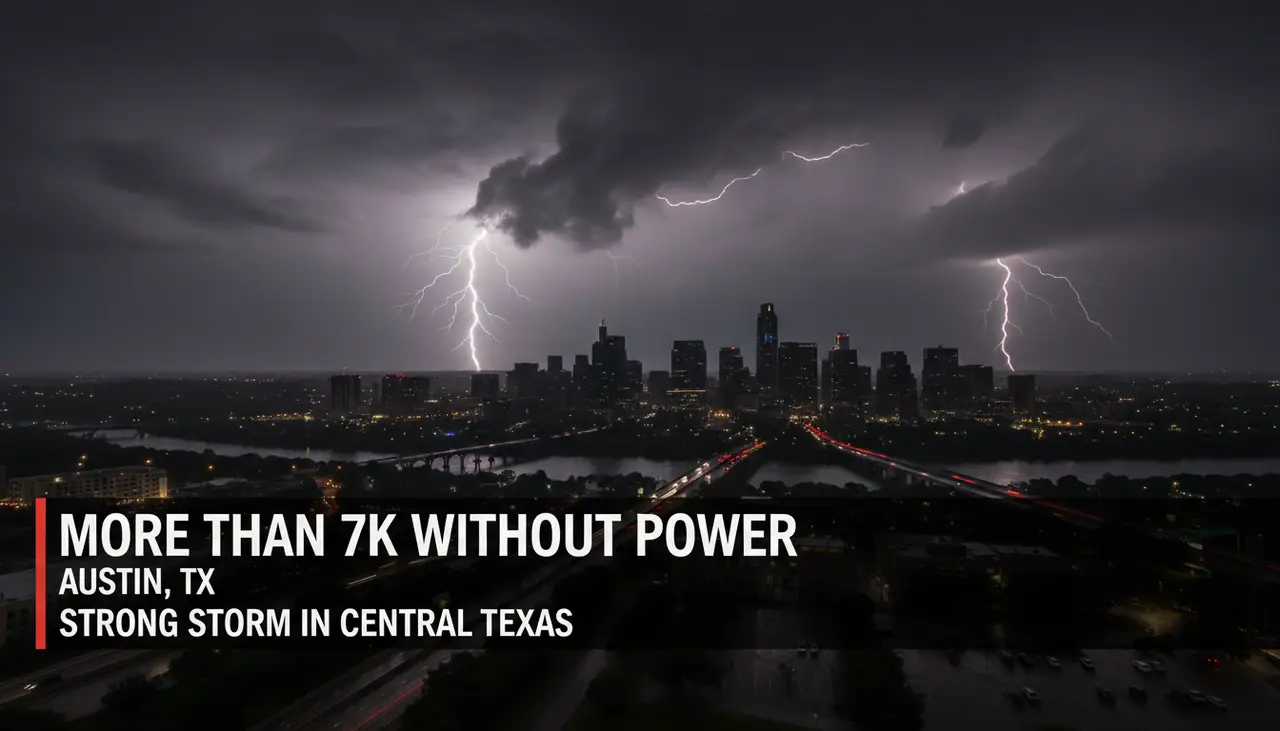
A statewide ice storm swept through Austin and surrounding areas, covering neighborhoods like Northwest Hills and Tarrytown with a thick glaze of ice. Roads such as Mopac Expressway and Mesa Drive were icy and hazardous, prompting many businesses around the Domain and downtown Austin to close early or delay opening.
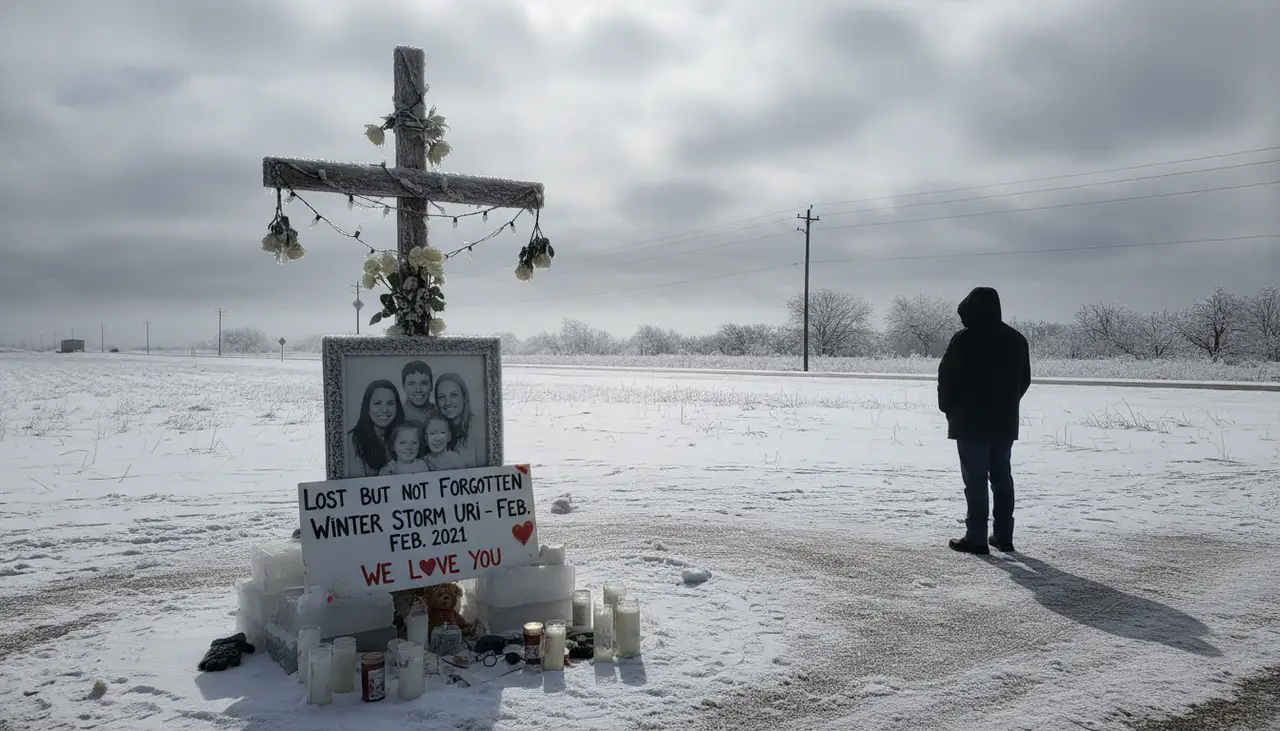
Despite the dangerous conditions, Austin Energy reported only about 4,000 customer outages at the storm’s peak, a fraction compared to the 170,000 outages recorded during Winter Storm Mari in 2023 and the 220,000 outages during Winter Storm Uri in 2021. Northwest Hills resident Holly Eaton, who has lived in the area for nearly 30 years, confirmed that her home remained powered throughout the storm, a stark contrast to the four-day blackout she endured during Uri.
ERCOT, the Electric Reliability Council of Texas, confirmed that localized outages were mostly caused by tree limbs falling on power lines, not by systemic grid failures. This marks a significant improvement from 2021, when poorly winterized natural gas plants failed, forcing widespread blackouts that left 4.5 million Texans without power and resulted in over 200 deaths statewide.
Since then, Texas lawmakers passed Senate Bill 3 and House Bill 3648, mandating power plant weatherization and prioritizing critical natural gas facilities during emergencies. Austin Energy also enacted a $735 million plan to harden the local grid, including replacing underground cables, inspecting thousands of poles, and trimming vegetation. These efforts helped Austin avoid the catastrophic outages seen in previous winters.
Why This Matters Locally: The Risks You Can’t Afford to Ignore
Even with the grid’s improved resilience, the January ice storm exposed how fragile Austin’s power system can still be. A few downed limbs or a snapped cable could plunge your household into darkness. For residents on streets like Spicewood Springs Road or in neighborhoods like Northwest Hills and Tarrytown, the risk of losing heat during freezing temperatures is not theoretical—it threatens your family’s safety and health.
Power outages in winter don’t just cause inconvenience. They can force you to throw out spoiled food, delay work or school, and increase stress and anxiety. Without heat, pipes can freeze and burst, leading to costly water damage. Traffic snarls on Mopac and Loop 360 caused by icy roads disrupt emergency services and daily commutes, potentially leaving you stranded or delaying critical care.
If your home loses power or suffers storm damage, delays in response or repairs can escalate costs dramatically. The longer you wait to address a burst pipe or electrical issue, the more damage accumulates. Ignoring early warning signs after a storm can also jeopardize your insurance claims or complicate legal recourse if contractors or utilities fail to meet obligations.
If This Happens to You: What to Do Immediately
- Step 1: Check your circuit breakers and reset any that have tripped before assuming a power outage.
- Step 2: Report outages to Austin Energy immediately via their hotline or online portal to ensure your area is prioritized.
- Step 3: Stay off icy roads like Far West Boulevard and Mopac unless absolutely necessary; stranded vehicles delay emergency response.
- Step 4: Use battery-powered flashlights and avoid candles to reduce fire risk.
- Step 5: Keep faucets dripping to prevent frozen pipes and monitor your home for leaks or water damage.
- Step 6: If you detect water leaks, electrical sparks, or gas smells, evacuate immediately and call emergency services.
- Step 7: Document any property damage with photos and notes to support insurance claims and potential legal action.
When Local Professional Help Becomes Necessary
DIY fixes only go so far in severe winter damage. You need to contact a licensed plumber if you suspect frozen or burst pipes. Attempting to thaw pipes yourself without professional guidance can cause explosions or flooding.
If your electrical system is compromised—such as flickering lights, sparking outlets, or downed power lines—you must call Austin Energy or a certified electrician immediately. Do not attempt repairs yourself; the risk of electrocution or fire is high.
Storm damage to your home’s structure, including fallen limbs or roof damage, requires a licensed contractor for safe and code-compliant repairs. Delaying these repairs can worsen water intrusion and structural hazards.
If your property suffers significant damage, or if you encounter disputes with insurance companies or contractors over claims and repairs, seek legal counsel promptly. Experienced local lawyers can help protect your rights and ensure you receive fair compensation.
Local Context: Why Every Austin Resident Should Pay Attention
Northwest Hills and Tarrytown are not isolated enclaves. Thousands of Austinites pass through Spicewood Springs Road, Far West Boulevard, and Mopac daily. The area’s proximity to major institutions like the University of Texas at Austin and landmarks such as the Domain means disruptions ripple across the city.
Winter storms will return. The question is whether your household is prepared or vulnerable. Austin Energy’s ongoing $735 million investment into grid hardening aims to reduce outages, but residents must remain vigilant. The lessons of 2021 and 2023 are clear: without preparation, power failure can mean lost heat, broken pipes, damaged homes, and dangerous commutes.
Ignoring the risks or delaying repairs after a storm puts you and your family at risk. The time to act is before the next freeze hits.
Where This Is Happening in Austin
The ice storm’s impact was most visible around Northwest Hills, including streets such as Far West Boulevard, Spicewood Springs Road, and Mesa Drive. Nearby neighborhoods like Tarrytown and parts of the Westlake Hills area also saw hazardous conditions and some localized outages.
These areas connect directly to Austin’s major traffic arteries, including Mopac Expressway (Loop 1) and Loop 360, routes many residents use to commute to downtown Austin, the University of Texas campus, and the Domain shopping district. The storm’s effects on these roads caused delays and heightened risks for emergency responders and residents alike.
Austin Energy, headquartered near downtown Austin, continues to focus resources on these neighborhoods due to their susceptibility to outages caused by aging infrastructure and heavy tree coverage. Residents traveling through or living in these areas should remain alert to weather warnings and prepare accordingly.