Smoke and Silence at Riverside and South Lamar: A Firefighter’s Fight for Recognition
It’s just after 7 a.m. at the intersection of Riverside Drive and South Lamar Boulevard, where the morning rush usually blurs into a steady hum of honking cars and hurried footsteps. But today, there’s a quiet tension in the air. The usual bustle of downtown Austin is shadowed by a growing concern that hits close to home for anyone who calls this city their own. Behind the scenes, a veteran firefighter’s battle with the city over her cancer diagnosis is forcing Austin to confront a harsh reality few want to face.
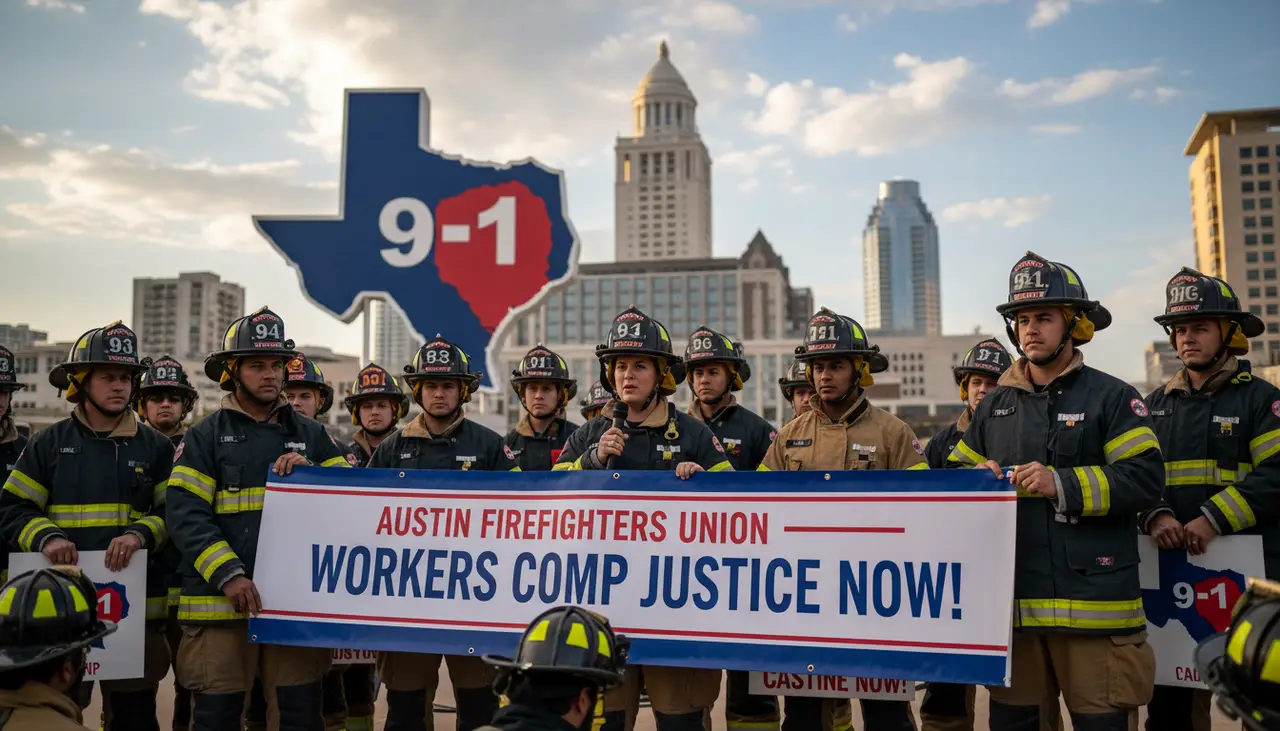
Lieutenant Suzanne LaFollette, a nearly 20-year veteran of the Austin Fire Department, has been diagnosed with stage-four ovarian cancer. The Austin Firefighters Union revealed Wednesday that the city denied her workers’ compensation claim, a decision that has sparked outrage and an urgent appeal. LaFollette’s cancer is directly linked to her years of exposure to toxic environments while fighting fires and responding to hazardous materials incidents.
David Girouard, president of the Austin Firefighters Association, made it clear in the union’s press release that this is not just about one firefighter. “The science is clear,” Girouard said. “Federal standards now explicitly recognize ovarian, uterine, cervical, breast, and basal cell carcinoma as high-risk occupational cancers for firefighters, as of January 10, 2025.”
This denial doesn’t just affect LaFollette; it sets a precedent that could leave countless firefighters across Austin vulnerable. The union’s appeal is a call for the city to rethink its stance and support those who risk their lives daily. The stakes are high, and the clock is ticking.
What Happened: The Denial and Its Fallout
On Wednesday, the Austin Firefighters Union issued a press release demanding the city reconsider its decision to deny Lieutenant LaFollette’s workers’ compensation claim for occupational cancer. The claim was rejected despite mounting evidence linking her ovarian cancer to her firefighting duties.
LaFollette’s nearly two decades on the job have included countless fires and hazardous material responses in neighborhoods like Travis Heights and Bouldin Creek, areas known for their older infrastructure and occasional chemical hazards. Her exposure to carcinogens in these environments is consistent with findings from the International Association of Fire Fighters and the Firefighter Cancer Support Network, which confirm elevated cancer risks for female firefighters, especially for ovarian, breast, and cervical cancers.
The city’s refusal to acknowledge this connection means LaFollette faces not only a devastating health battle but also the financial and emotional strain of fighting for benefits she should be entitled to. This decision impacts the entire Austin Fire Department workforce, signaling a reluctance to protect those who protect the community.
Why This Matters to You and Your Household
If you live or work near busy intersections like Riverside and South Lamar, or in neighborhoods like Travis Heights, Bouldin Creek, or the East Cesar Chavez area, this issue hits close to home. Firefighters responding to emergencies in these parts of Austin are routinely exposed to dangerous chemicals and carcinogens.
Here’s why this matters beyond the fire station:
- Safety Risks: If firefighters are not supported when they fall ill, it can affect morale and staffing, potentially slowing emergency response times in your neighborhood.
- Financial Strain: Denied claims mean firefighters might face medical bills that strain city resources and their families, increasing the risk of financial instability for first responders who protect your property.
- Community Stress: The dispute creates tension between the city and its firefighters, which can ripple into public safety and community trust.
- Time Pressure: Appeals and legal battles drag on, delaying crucial benefits and care.
This is not an abstract policy debate. It’s a direct threat to the people who stand ready to save your home and family.
If This Happens to You: What to Do Immediately
If you are a firefighter—or any worker—diagnosed with a cancer potentially linked to your job, act fast. Time is critical, and delays could jeopardize your health and financial security.
- Document Everything: Keep detailed records of your diagnosis, treatments, and any workplace exposures or incidents.
- Notify Your Employer: Report your illness immediately to your department’s administration and human resources.
- File a Workers’ Compensation Claim: Submit your claim as soon as possible, including all medical evidence linking your condition to your job.
- Consult Your Union: Contact your union representatives for support and guidance through the process.
- Prepare for Denial: Understand that claims can be denied; be ready to appeal promptly.
- Seek Medical Follow-Up: Keep up with all treatments and get second opinions if necessary.
- Stay Informed: Follow any changes in federal and local occupational health standards that might affect your claim.
When Local Professional Help Becomes Necessary
If your workers’ compensation claim is denied, professional help becomes necessary immediately. You need to contact:
- Legal Counsel: A lawyer experienced in occupational illness and workers’ compensation cases can navigate appeals and fight for your rights.
- Medical Specialists: Oncologists and occupational health experts in Austin can provide expert testimony to strengthen your case.
- Contractors and Planners: For firefighters and other workers exposed to hazardous environments, certified contractors and safety planners can assess your workplace for ongoing risks, preventing further harm.
- Support Networks: Organizations like the Firefighter Cancer Support Network offer resources and connections to professionals who understand the unique risks firefighters face.
Delaying professional help risks losing benefits, prolonging your health struggle, and adding financial hardship. Don’t wait until the appeals process is too late.
Local Context: Austin’s Streets and the Fight for Firefighter Safety
Lieutenant LaFollette’s case is unfolding in a city where daily life intersects with the risks firefighters face. From the historic homes in Travis Heights to the bustling commercial corridors along South Lamar, firefighters are the first line of defense against fires, chemical spills, and accidents.
Many Austinites pass through Riverside Drive and South Lamar every day, whether commuting to work downtown or heading to the nearby Lady Bird Lake trail. The Austin Fire Department’s Central Fire Station on East Sixth Street is a hub where firefighters prepare for the unpredictable dangers lurking in our city’s aging buildings and industrial zones.
This fight over workers’ compensation is not just about one firefighter’s cancer diagnosis. It’s about whether Austin will acknowledge the risks its protectors face and provide the support they need. Residents who live, work, or commute through these neighborhoods should be aware: the health and safety of our firefighters directly impacts the safety of every home and business in Austin.
Where This Is Happening in Austin
The controversy centers around firefighters who serve neighborhoods including Travis Heights, Bouldin Creek, and East Cesar Chavez. These areas are crisscrossed by major thoroughfares like Riverside Drive, South Lamar Boulevard, and East Sixth Street.
Riverside and South Lamar is a key intersection where commuters from South Austin enter downtown, passing landmarks like the Austin Convention Center and Lady Bird Lake. Firefighters stationed nearby respond to emergencies along these busy corridors and in surrounding residential areas with older infrastructure prone to fire hazards and chemical exposures.
Residents traveling through these streets daily should recognize that the health of firefighters like Lieutenant LaFollette is tied to the city’s ability to respond quickly and effectively when disaster strikes. The city’s decision on workers’ compensation claims will have lasting effects on emergency services throughout these vital Austin neighborhoods.