Early Thursday Morning at the Intersection of East 11th and Chicon Streets: A Quiet Reminder of Urgency
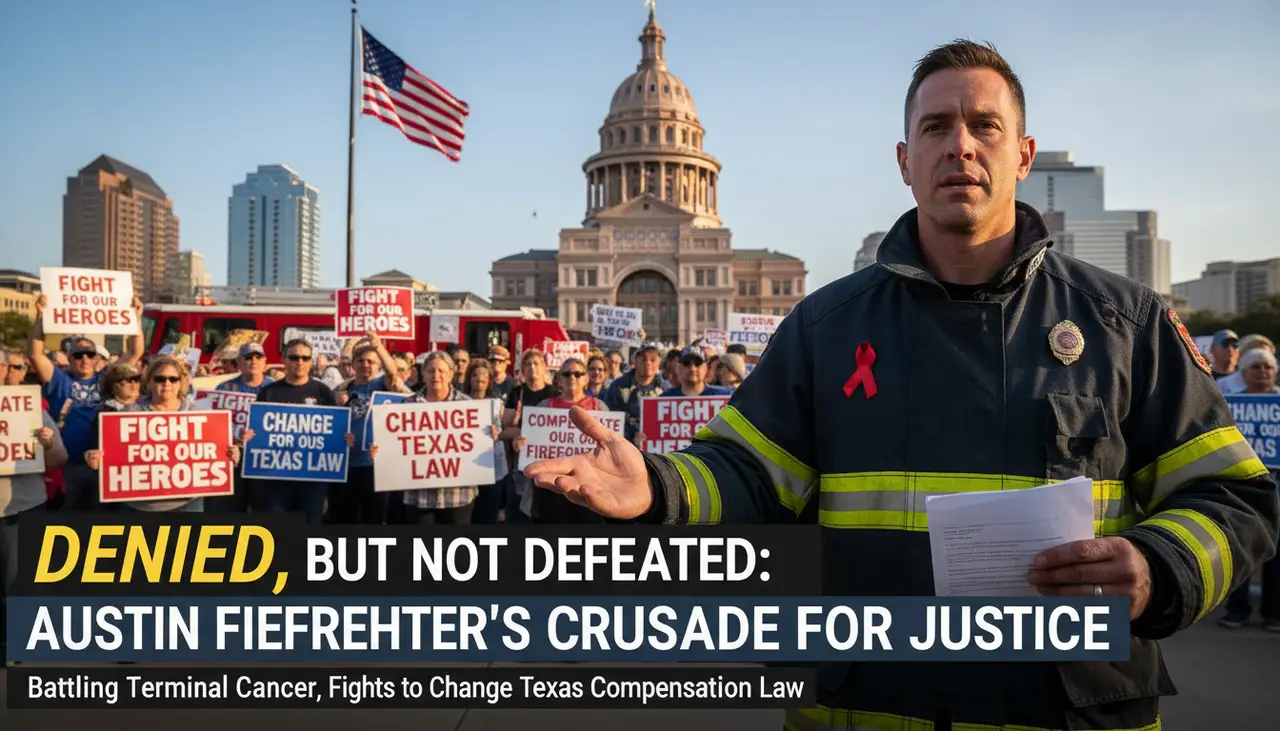
At 7:30 a.m., just as the morning rush begins in East Austin’s Holly neighborhood, the intersection of East 11th and Chicon Streets buzzes with commuters and local workers heading toward downtown. Among them, firefighters from the nearby Austin Fire Department headquarters on West 5th Street prepare for their shifts, unaware that one of their own is fighting a battle that could redefine their rights and protections. Lieutenant Suzanne LaFollette, a 19-year veteran of the department, faces not only a life-threatening cancer diagnosis but also a legal fight that could impact every firefighter in Austin and beyond.
What Happened: A Denied Workers’ Compensation Claim for a Local Hero
In May 2025, Suzanne LaFollette was diagnosed with Stage 4 ovarian and endometrial cancer. Despite nearly two decades of service protecting Austin neighborhoods like Holly, Travis Heights, and East Riverside, her workers’ compensation claim was denied by the city of Austin. The claim was processed through Athens Managed Care, Inc., a third-party administrator hired by the city, but the denial letter cited “ordinary disease of life” and stated there was insufficient evidence linking her cancer to her firefighting work.
On Thursday morning, during a virtual pre-trial hearing, the city doubled down on its refusal to accept LaFollette’s claim. The city’s official statement acknowledged her years of service and noted the health benefits and nearly 1,800 hours of paid leave provided to her. However, it stressed that under current Texas law, only 11 specific cancers are presumed to be related to firefighting, and ovarian cancer is not on that list.
Attorney Brad McClellan, representing LaFollette, pointed to a federal update from January 2025, when the U.S. Department of Labor recognized ovarian cancer as a presumptive illness for firefighters under the Federal Employees' Compensation Act (FECA). Despite this federal recognition, Texas law has yet to catch up, leaving firefighters like LaFollette without clear protections.
Why This Matters Locally: The Real Risks for Austin’s Firefighters and Families
This is not just a legal dispute; it’s a matter that could affect the safety and financial security of every firefighter in Austin, from those stationed near the University of Texas campus to crews covering the fast-growing neighborhoods of Mueller and South Congress.
If firefighters cannot rely on workers’ compensation claims for cancers linked to their hazardous work, they face enormous financial uncertainty. Medical bills, loss of income, and the stress of fighting a terminal illness without clear support can devastate households. This also places added pressure on Austin’s emergency services, as firefighters may delay seeking treatment or returning to work out of fear of losing benefits.
For residents, this legal battle could translate into longer emergency response times and reduced staffing levels if firefighters feel unsupported or forced to leave the profession early. Neighborhoods like East Austin and Travis Heights, which already face traffic congestion on roads like East 12th Street and South Lamar Boulevard, could see increased delays during emergencies.
Moreover, the city’s refusal to expand coverage could lead to costly lawsuits and policy changes down the line, potentially increasing taxpayer burdens and complicating city budgets already stretched thin by infrastructure and housing demands.
If This Happens to You: What Firefighters and Families Need to Do Now
- Step 1: Document all medical diagnoses and treatments thoroughly, including dates and specialist reports.
- Step 2: File a workers’ compensation claim immediately after diagnosis, even if your cancer type isn’t currently recognized under Texas law.
- Step 3: Request all correspondence from your employer and third-party claims administrators in writing.
- Step 4: Keep detailed records of time off work, paid leave used, and any financial impacts related to your illness.
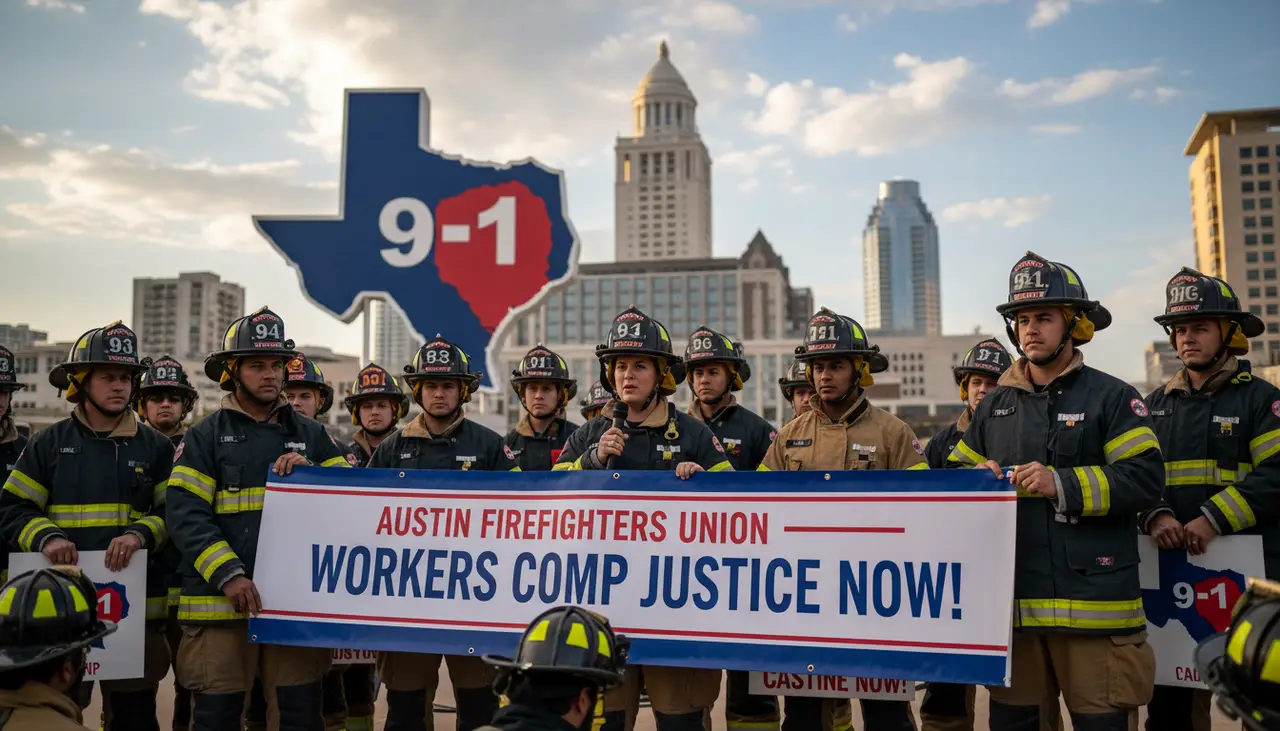
- Step 5: Contact your union representatives, such as the Austin Fire Association, to report your case and seek support.
- Step 6: Prepare for potential hearings by gathering witness statements and expert medical opinions linking your cancer to firefighting exposure.
- Step 7: Don’t delay in seeking legal counsel if your claim is denied or disputed—time is critical.
When Local Professional Help Becomes Necessary
At the point your workers’ compensation claim is denied or contested, professional help becomes necessary. You need to contact an attorney experienced in occupational illness and workers’ compensation law. Navigating the complex interplay between state statutes and medical evidence requires expert guidance to avoid losing critical benefits.
Additionally, if your illness forces you to make home modifications for treatment or mobility, you will need licensed contractors and planners familiar with Austin building codes—especially in neighborhoods with older homes like Travis Heights or Bouldin Creek. This ensures timely, code-compliant renovations that support your health needs.
For families facing financial hardship due to medical bills or lost income, financial planners or social workers can help manage budgets and access community resources. Ignoring these needs can lead to housing instability or increased stress, further threatening recovery.
Closing Local Context: Why Every Austin Resident Should Care
Whether you live near the Austin Fire Department headquarters on West 5th Street, commute along East Riverside Drive, or enjoy the parks around Lady Bird Lake, the implications of this case ripple through our city. Firefighters like Suzanne LaFollette protect all Austinites daily, responding to emergencies in neighborhoods from East Austin to Zilker. Their health and security matter to the safety of your household and the city’s resilience.
The 2027 state legislative session offers a critical opportunity to update Texas law and expand cancer coverage for firefighters. Until then, this case stands as a warning: without immediate action and professional support, firefighters and their families risk losing essential protections.
Where This Is Happening in Austin
The legal battle centers on the Austin Fire Department, headquartered near West 5th Street and Lamar Boulevard, serving neighborhoods including Holly, Travis Heights, and East Riverside. These areas are connected by major corridors like East 11th Street, Chicon Street, and South Congress Avenue, which thousands of Austinites use daily.
Residents commuting through these neighborhoods—whether heading to work downtown, dropping kids off at local schools, or visiting landmarks like the Texas State Capitol—intersect with the lives of firefighters who risk their health for community safety. Understanding the stakes at this crossroads means recognizing the urgency behind LaFollette’s fight and what it could mean for every household in Austin.