Red Flag Warning Hits Austin Friday: Fire Danger Escalates Near Key Neighborhoods
It’s just past 10 a.m. on a Friday morning at the intersection of Parmer Lane and Dessau Road in northeast Austin’s Wells Branch neighborhood. The sun beats down relentlessly, the air is dry and warm for February, and a steady north wind pushes dust across the cracked pavement. Residents walking their dogs or mowing yards here face a warning they can’t ignore: a Red Flag Warning is in effect until 9 p.m., signaling critical fire danger across Travis County and surrounding areas.
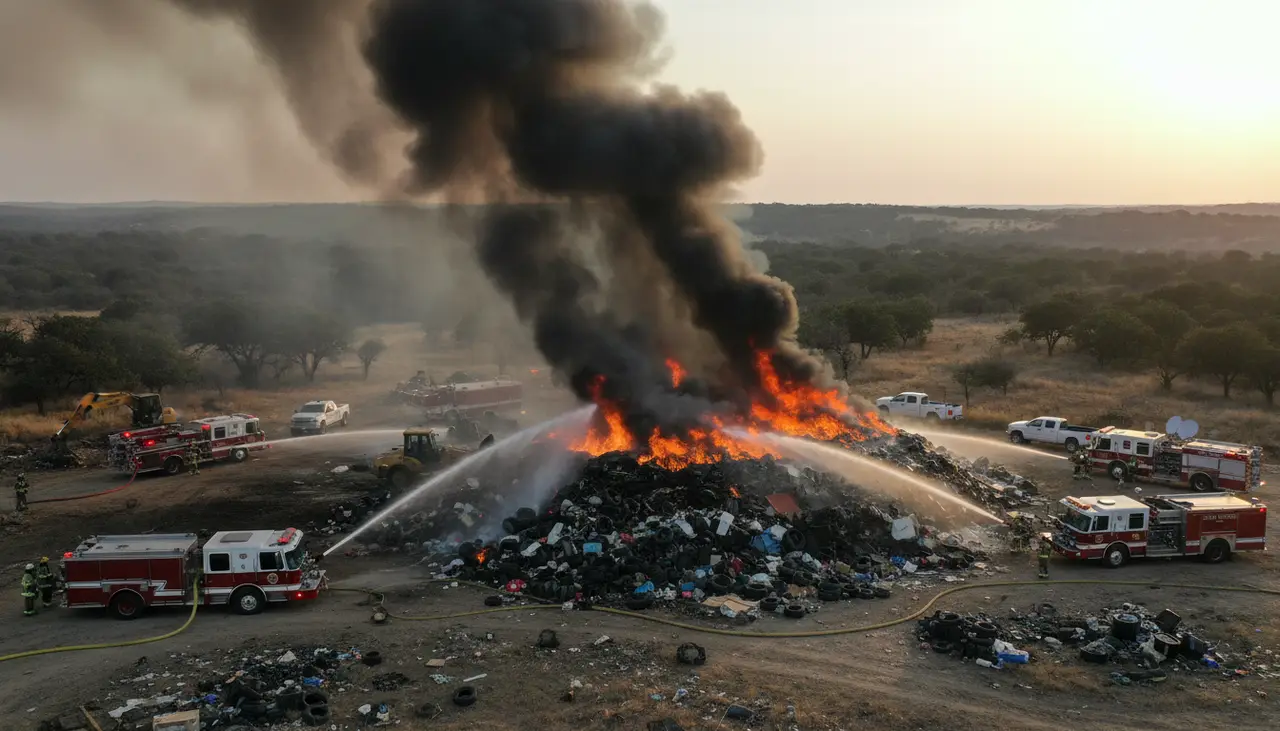
Local fire departments, including Pflugerville, Hutto, Kyle, and Lake Travis Fire Rescue, are on high alert as Central Texas braces for dangerous conditions. The Texas A&M Forest Service reports ongoing drought conditions since July, and recent fires like the Eight Ball Fire, which scorched 13,500 acres, and the Lavender Fire, burning more than 18,000 acres with only 50% containment, underscore the threat.
What’s Happening: Fire Danger in Your Backyard
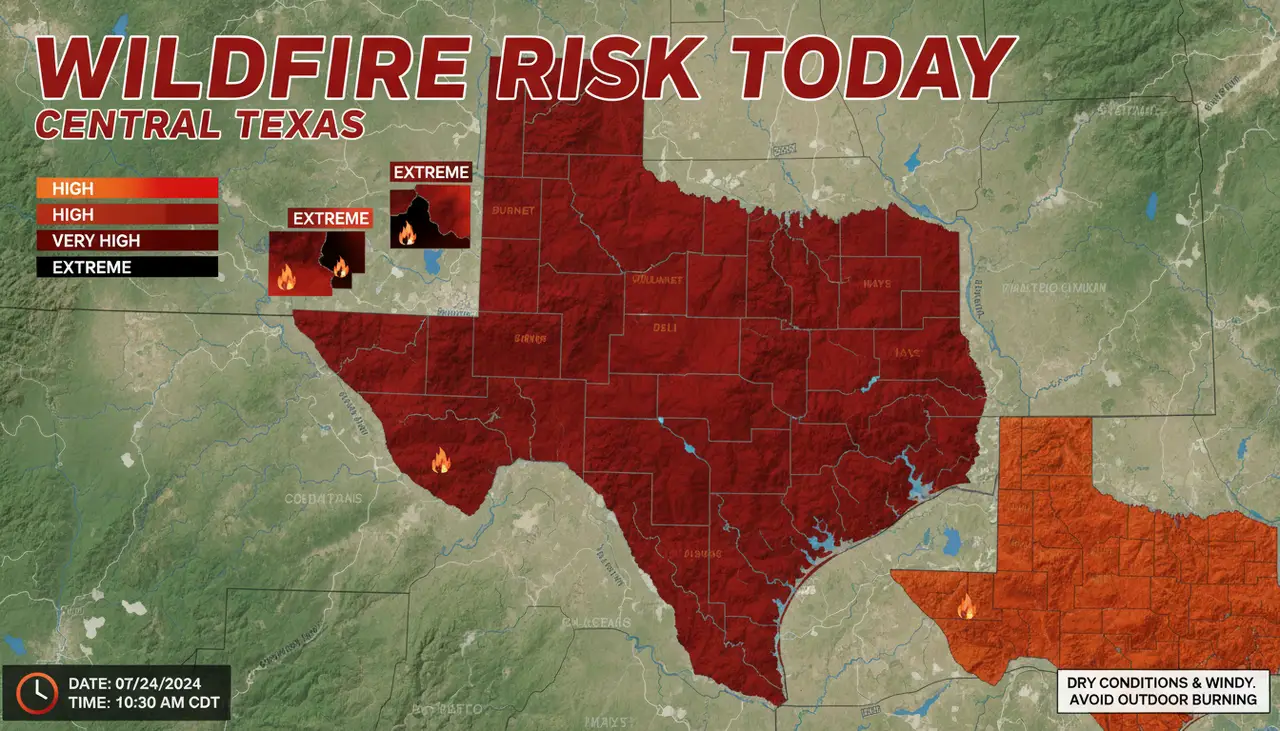
This Friday, from 10 a.m. to 9 p.m., Travis County and nearby Bastrop, Caldwell, Hays, Blanco, and Gillespie counties are under a Red Flag Warning. The National Weather Service Austin/San Antonio office confirms that north winds will blow between 15 and 25 mph, gusting up to 30 mph, while relative humidity plunges to as low as 10 percent. These conditions dry out grasses and brush, creating a tinderbox ready to ignite.
Outdoor burning is strongly discouraged. Even routine activities like mowing the lawn can spark a fire in these conditions. The warning extends beyond Travis County into the Northern Hill Country and eastern Coastal Plains, where slightly higher humidity of 25 to 35 percent still cannot offset the extreme dryness of fuels, meaning any spark could quickly turn into a wildfire.
Why This Matters to Austin Residents
If you live in or near Travis County, this is not just a weather update—it’s a direct threat to your home, safety, and daily routine. Wildfires can spread rapidly in these conditions, putting neighborhoods at risk of evacuation, property damage, and loss. Smoke and fire-related road closures can cause major traffic disruptions, especially on key corridors like Parmer Lane and other arterial roads used by thousands of commuters.
Beyond immediate danger, fires strain emergency services and can lead to costly repairs and insurance claims. The stress of evacuation and uncertainty about your home’s safety takes a toll on families. For those with outdoor pets or livestock, the risk intensifies. Even if your property isn’t directly threatened, smoke and ash can impact air quality and health.
If You Encounter Fire Risk: What To Do Now
- Immediately avoid any outdoor activities that could create sparks, including mowing, using power tools, or burning debris.
- Clear flammable materials such as dry leaves, brush, and firewood at least 30 feet away from your home.
- Keep garden hoses and fire extinguishers accessible and ready to use.
- Stay tuned to local news and official channels for updates on fire status and evacuation orders.
- If you see smoke or fire, report it immediately to your nearest fire department or law enforcement office.
- Prepare your household for possible evacuation: gather important documents, medications, and essential supplies.
- Inform neighbors, especially those who may need assistance, about the heightened fire risk and safety measures.
When Professional Help Becomes Necessary
Despite your best efforts, wildfires can cause damage beyond what you can manage alone. If your property sustains fire damage, you need to contact contractors experienced in fire repair to assess structural safety and begin restoration. Attempting DIY fixes on compromised structures risks injury and further damage.
Legal assistance may become necessary if your property is affected by wildfire and insurance claims become complicated. Lawyers familiar with local fire regulations and insurance law can help protect your rights and expedite settlements.
Fire prevention planners and landscape contractors can assist in creating defensible space around your home to reduce future wildfire risk. Their expertise is critical in advising on vegetation management and fire-resistant landscaping tailored to Austin’s environment.
Local Context: Fire Risk Hits Close to Home
Many Austin residents travel daily through areas under this warning. Whether you’re commuting along Parmer Lane, living in Wells Branch, or heading toward Lake Travis, the fire risk is real and immediate. The involvement of local fire departments like Pflugerville and Hutto highlights how widespread the danger is, extending beyond Austin’s central urban core into the surrounding communities.
With drought conditions persisting since last summer, the risk won’t simply disappear after Friday. This weekend’s Red Flag Warning is a clear signal to remain vigilant. Your actions today can prevent a fire tomorrow.
Where This Is Happening in Austin
The Red Flag Warning covers Travis County neighborhoods such as Wells Branch and areas near Parmer Lane and Dessau Road, where residents often engage in outdoor activities that could unintentionally ignite fires. These corridors are vital for daily commutes and local commerce, making any fire-related closure or evacuation disruptive to thousands.
Nearby counties like Bastrop, Caldwell, and Hays also face severe fire risk, impacting travel routes that connect Austin to surrounding towns. Landmarks such as Lake Travis and the Northern Hill Country are within the warning zones, areas popular for recreation but now under threat from dry, windy conditions.