Morning at East 11th and Rosewood: A Neighborhood Witnesses History Restored
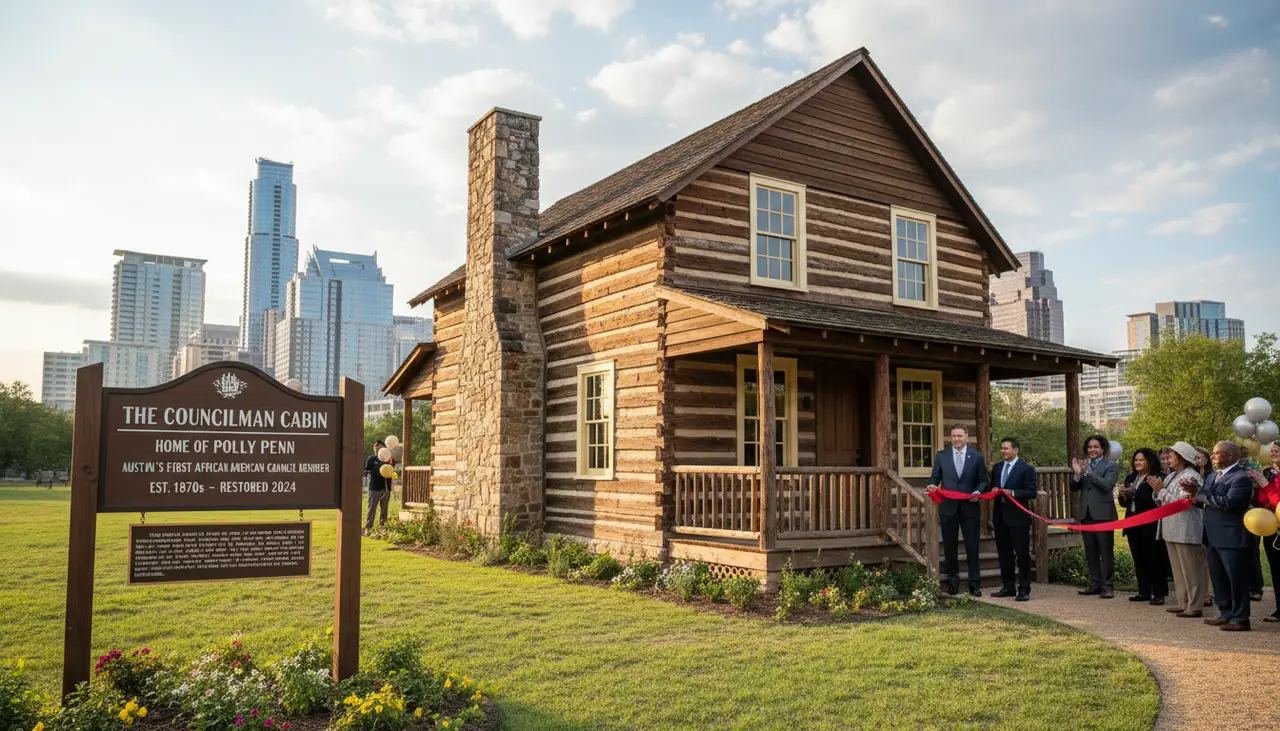
At 9:00 a.m. on February 19th, a crowd gathered near the intersection of East 11th Street and Rosewood Avenue in East Austin’s Rosewood Park. The air was crisp, and the neighborhood buzzed with anticipation. Residents, local officials, and preservationists stood before the modest yet historically significant Henry G. Madison cabin, freshly restored after years of deterioration. This site, nestled in the heart of Rosewood Park, is more than a relic; it is a testament to Austin’s complex past and the resilience of its Black community.
The Restoration of a Landmark: What Happened
The Henry G. Madison cabin, originally built around 1864 at 807 East 11th Street, was the home of Henry Green Madison, the first African American appointed to the Austin City Council in February 1871. After decades of neglect and deterioration identified during a 2021 site assessment, a comprehensive restoration project was launched in late 2024 and completed by summer 2025.
Madison, born in Memphis in 1843 and moving to Austin in the early 1860s, served in the Texas Constitutional Convention of 1868-69, and was a pivotal figure in Austin’s Reconstruction-era political scene. His cabin was rediscovered in the 1960s during demolition work, relocated and reassembled in Rosewood Park in 1973, and subsequently designated a Recorded Texas Historic Landmark in 1974 and a City of Austin Landmark in 1976.
The restoration was funded through a patchwork of grants and donations: $55,000 from the Austin Parks Foundation, nearly $270,000 from two city heritage preservation grants, $80,000 from the Texas Historical Commission, and additional contributions from local foundations including Six Square and Preservation Austin. The careful work culminated in a ribbon-cutting ceremony held at Rosewood Park on February 19th.
Why This Matters to Austin Residents Today
This restoration is not just about preserving a single cabin; it reflects the ongoing challenges of maintaining Austin’s historic sites amid rapid urban growth. For residents living near East 11th Street and Rosewood Avenue, the project underscores the risks posed by aging structures—risks that can translate into safety hazards, financial strain, and community loss if ignored.
Neglected historic buildings can deteriorate to the point of collapse, threatening nearby homes and infrastructure. Without intervention, these sites can become eyesores or hazards, lowering property values and increasing insurance costs. The Madison cabin’s 2021 assessment revealed such deterioration, prompting urgent action. Residents should recognize that delaying repairs or ignoring signs of decay in their own properties can lead to costly emergency fixes, legal liabilities, and prolonged displacement.
Furthermore, this cabin stands as a symbol of African American heritage in East Austin, a neighborhood that has undergone significant demographic and economic shifts. Preserving such landmarks helps maintain cultural identity and community cohesion. Losing them erodes the neighborhood’s history and sense of place, which affects all residents’ quality of life.
If You Notice Structural Deterioration in Your Home: What to Do Immediately
- 1. Conduct a careful visual inspection of your property, focusing on foundations, walls, and roof for signs of cracks, rot, or sagging.
- 2. Document and photograph any damage or changes you observe, including water stains, peeling paint, or loose boards.
- 3. Avoid DIY fixes beyond minor cosmetic repairs; structural issues often require professional assessment.
- 4. Contact a licensed structural engineer or qualified home inspector to perform a detailed evaluation as soon as possible.
- 5. Notify your homeowner’s insurance provider about the condition and any inspections to understand coverage and potential claims.
- 6. If you live in a designated historic district or your property is landmarked, consult with city preservation offices before starting any repairs.
- 7. Prioritize safety: if you detect any immediate hazards such as unstable walls or electrical issues, evacuate affected areas and call emergency services.
When Professional Help Becomes Necessary
Ignoring structural deterioration or deferring repairs can escalate risks dramatically. Here are three critical moments when you must seek professional assistance without delay:
- Structural Damage Identified: When cracks appear in foundations or walls, or if you notice sagging ceilings or floors, you need to contact a licensed contractor and structural engineer immediately. Delaying can lead to collapse, causing injury and costly rebuilding.
- Water Damage and Mold Risks: Signs of moisture intrusion require prompt action by roofers and plumbers. Unchecked water damage can compromise wood framing, cause mold growth, and worsen health risks for your household.
- Electrical or HVAC Safety Concerns: Older homes often have outdated wiring or climate control systems. If you experience flickering lights, frequent breaker trips, or inconsistent heating/cooling, you must hire electricians and HVAC technicians to prevent fire hazards and system failure.
Additionally, for historic homes like the Madison cabin, working with restoration specialists familiar with preservation guidelines is essential to maintain both safety and historical integrity. Local agencies such as the City of Austin’s Historic Preservation Office can guide you through permitting and compliance requirements.
Local Context: What This Means for Austin Residents
East Austin has become a focal point for development and historic preservation. The Henry G. Madison cabin restoration highlights the delicate balance between growth and heritage. Residents traversing East 11th Street or visiting Rosewood Park encounter this landmark daily, a reminder of the city’s layered history and the ongoing need to protect its physical fabric.
For homeowners in nearby neighborhoods, the project serves as a warning: historic or older homes require vigilance and timely intervention to avoid escalating problems. The consequences of neglect extend beyond individual properties, impacting community stability, safety, and economic health.
Where This Is Happening in Austin
The Madison cabin sits within Rosewood Park at 2300 Rosewood Avenue, near the intersection with East 11th Street in East Austin. This area is bounded by familiar streets including East 11th Street, Rosewood Avenue, and nearby landmarks such as Oakwood Cemetery, where Henry Madison is buried. Residents and commuters often pass through this corridor, linking downtown Austin with the historically rich neighborhoods of East Austin.
Rosewood Park itself is a community hub known for its cultural significance and green space. The cabin’s presence here is part of a broader effort to preserve East Austin’s Black heritage, a project supported by local foundations and city grants. As the neighborhood continues to evolve, the restored cabin stands as a physical and symbolic anchor for residents and visitors alike.