Evening Congestion Builds Near Cesar Chavez and MoPac as South Austin Prepares for Major Highway Project
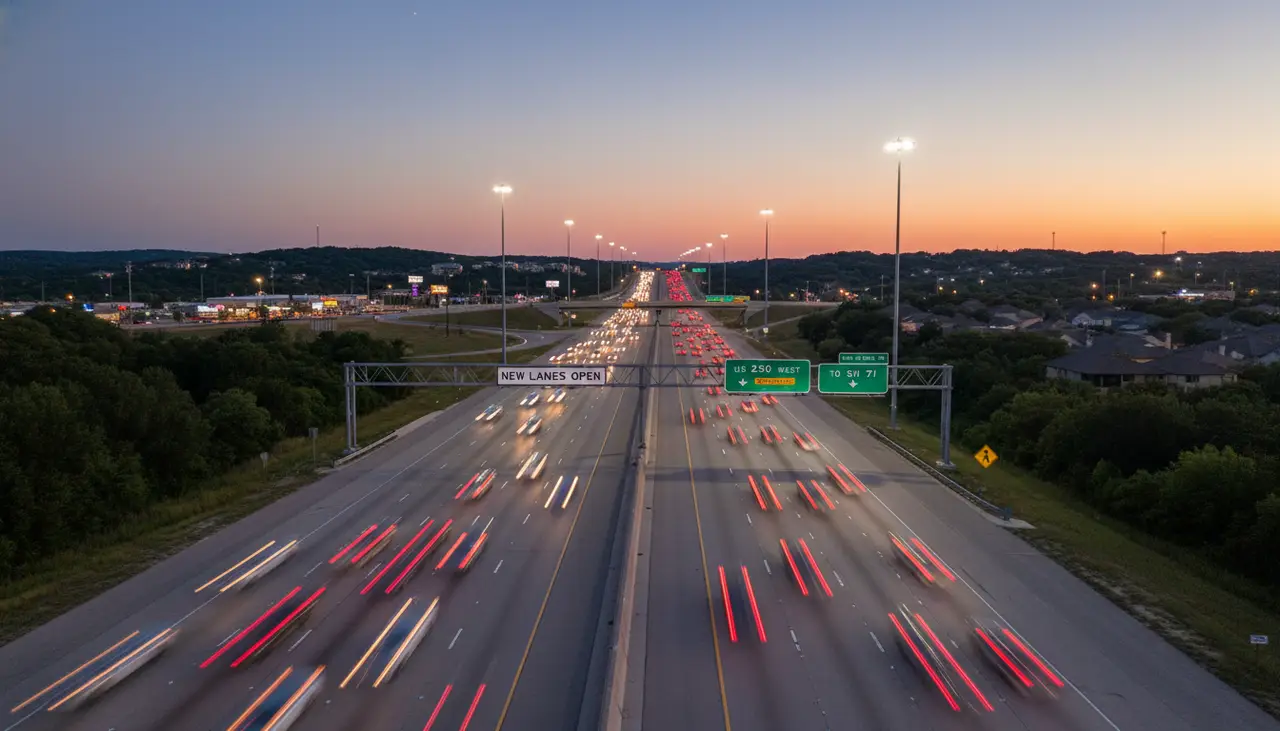
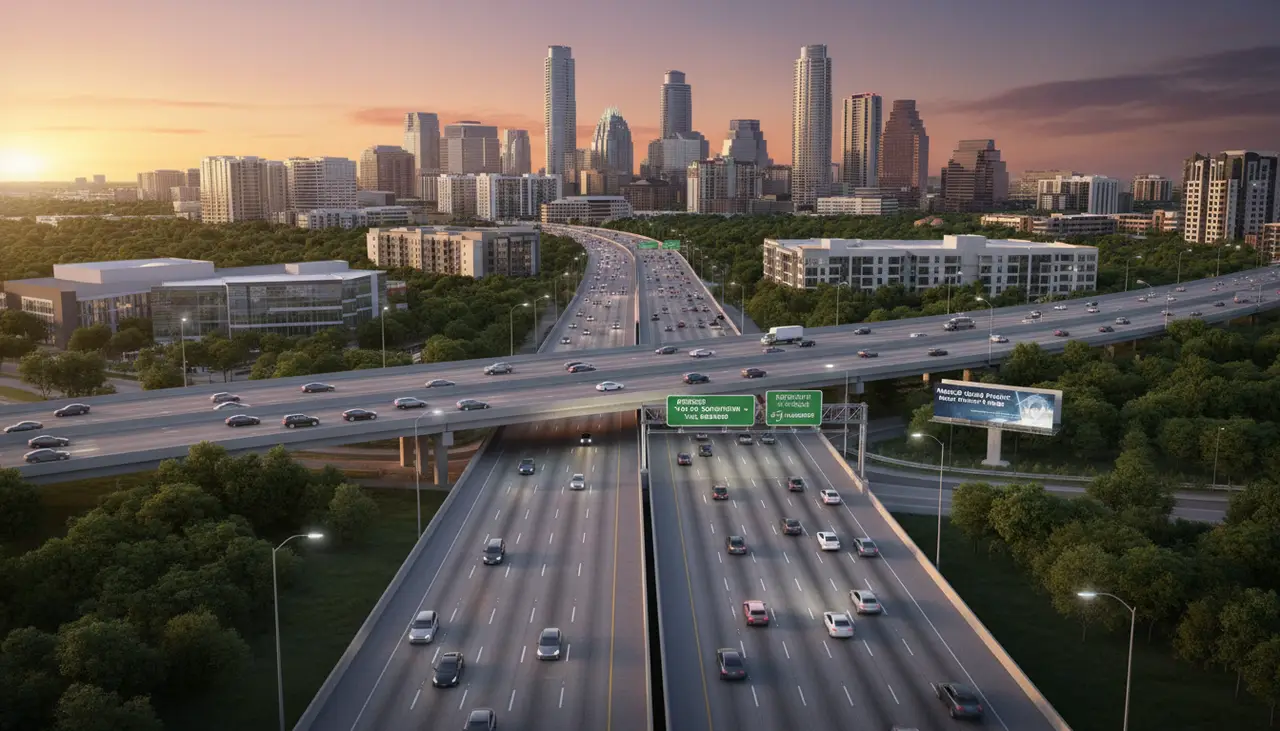
It’s 5:45 p.m. on a Tuesday at the busy intersection of Cesar Chavez Street and MoPac Expressway, just north of downtown Austin’s South Lamar neighborhood. Cars inch forward in the familiar gridlock, horns occasionally blaring as drivers inch toward their destinations. For many South Austin residents, this congestion is a daily reality that’s about to get more complicated. The Central Texas Regional Mobility Authority (CTRMA) has just released a 220-page environmental study on the MoPac South Project, a massive $825 million plan to upgrade an eight-mile stretch of the MoPac Expressway from Cesar Chavez Street down to Slaughter Lane.
What Happened: MoPac South Project Environmental Study Released
Last Friday, the CTRMA unveiled the environmental study for the MoPac South Project, which targets the stretch of highway running through South Austin. This study covers everything from traffic impacts to endangered species consultations with the U.S. Fish and Wildlife Service, naming species like the Austin blind salamander and Barton Springs salamander as part of the environmental considerations. The project is driven by projections that Travis and Hays counties will see an 85% population increase over the next 20 years, placing significant strain on existing infrastructure.
The public comment period is already open, running from March 9 through May 3. Residents can submit feedback online at www.ph.mopacsouth.com, via email at mopacsouth@ctrma.org, or by leaving a voicemail at 512-387-5811. An in-person public hearing is scheduled for March 24 from 5:30 p.m. to 7:30 p.m. at Bowie High School, giving locals a chance to voice concerns directly to project officials.
Why This Matters Locally: Traffic, Safety, and Your Daily Life
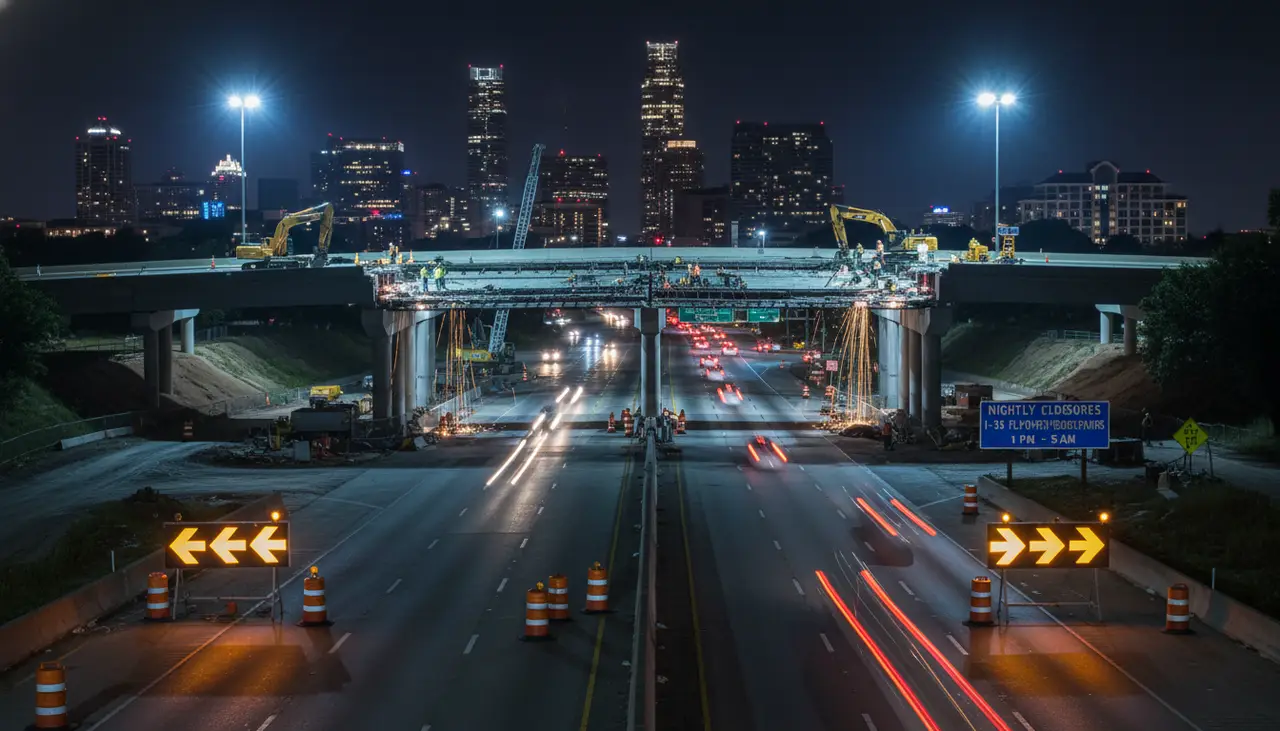
If you live in South Austin or commute through this corridor, the MoPac South Project will affect you directly. The stretch between Cesar Chavez and Slaughter Lane is already a choke point. Construction and lane changes could add hours to your commute, increase stress, and create safety hazards during the multi-year project timeline. Emergency response times could be delayed, and local streets might see overflow traffic as drivers seek alternate routes.
Homeowners near the highway might face noise and air quality issues during construction, and property values could fluctuate depending on the project’s final design. With an $825 million price tag, the financial stakes are high. Taxpayers and drivers should expect toll adjustments or new fees to help cover costs, potentially impacting household budgets.
Ignoring these developments could leave residents unprepared for changes that disrupt daily routines and safety. The population boom in Travis and Hays counties means traffic congestion will worsen if the project is delayed or poorly managed.
If This Happens to You: What to Do Immediately
- Mark your calendar for the March 24 in-person hearing at Bowie High School, 5:30 p.m. to 7:30 p.m., to ask questions and express concerns directly.
- Visit www.ph.mopacsouth.com to review study details and submit comments before the May 3 deadline.
- Document any changes to your commute or property conditions as the project progresses, including photos and notes on noise, traffic, or safety incidents.
- Stay alert for official updates from CTRMA, especially notices about lane closures or toll changes that could affect your budget and schedule.
- If you experience property damage or accidents related to construction, report them immediately to local authorities and keep detailed records.
- Contact your neighborhood association or local council member to stay informed and advocate for your community’s interests.
- Do not delay seeking professional advice if you face legal, financial, or safety concerns stemming from the project.
When Local Professional Help Becomes Necessary
As construction begins, you will need professional assistance in several scenarios. If your property sustains damage from construction activity or vibration, you need to contact a qualified contractor or structural engineer immediately to assess and document the issue. Legal help becomes necessary if you face disputes over property rights, compensation, or toll-related fees that affect your household budget.
If you are a homeowner concerned about noise or environmental impacts, consulting with planners or environmental experts can help you understand your rights and possible mitigation measures. For drivers and commuters, professional transportation planners can provide advice on alternative routes or timing to reduce stress and delays.
Ignoring these needs risks costly repairs, legal battles, and prolonged inconvenience. Professional advice ensures you are protected and can navigate the changes with less disruption.
Local Context: What This Means for South Austin Residents
South Austin residents, especially those living near Cesar Chavez Street, Slaughter Lane, and along the MoPac corridor, will see daily effects from this project. Whether you’re a commuter stuck in traffic during rush hour or a homeowner near Bowie High School — the site of the upcoming public hearing — the changes are imminent. This highway is a critical artery for our city, and its upgrade is essential but disruptive.
James Bass, executive director of CTRMA, emphasized the importance of local input in shaping the project’s future. If you drive, live, or work in South Austin, this project will impact your time, safety, and finances. The window to influence the project is narrow, and the consequences of inaction are significant.
Where This Is Happening in Austin
The MoPac South Project covers the expressway stretch from Cesar Chavez Street down to Slaughter Lane, cutting through South Austin neighborhoods including South Lamar and areas near Bowie High School. Key intersections like Cesar Chavez and MoPac see heavy traffic daily, with commuters traveling to downtown Austin, South Austin neighborhoods, and beyond.
This corridor is a vital link for thousands of Austinites traveling to work, school, and local businesses. Landmarks such as Bowie High School serve as community hubs and are focal points for public engagement on the project. Locals often use Cesar Chavez Street as a gateway between downtown and South Austin, making this project’s impact unavoidable for many households.