Morning on East Riverside Drive: A Quiet Street Facing a Housing Market Shift
It’s 8 a.m. on East Riverside Drive, near the South River City neighborhood, where commuters and residents alike are starting their day. The usual hum of traffic mixes with the distant sounds of construction crews preparing new developments. But beneath this routine lies a shifting housing landscape that is already altering how Austinites find and keep homes in this part of the city.
What’s Happening in Austin’s Housing Market
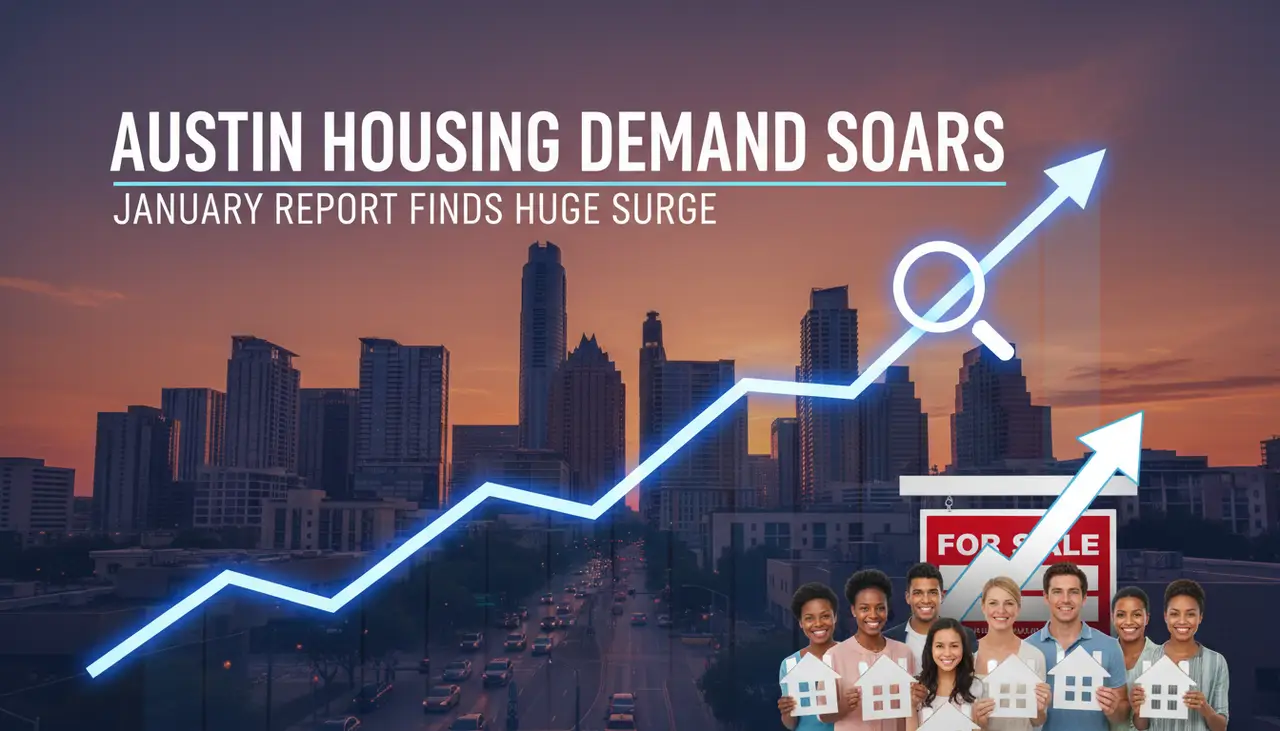
The latest Central Texas Housing Report from January 2026 reveals that the Austin-Round Rock-San Marcos metropolitan area is experiencing a complex housing environment. Pending home sales are up across the region, including a 9.3% increase in Austin, where 797 homes are currently under contract. However, the reality for buyers and sellers is more nuanced.
In the City of Austin, residential home sales have dropped by 8.8% compared to January 2025, with only 509 homes sold. Meanwhile, median home prices have declined by 5%, settling at $522,500. Active listings in Austin have barely budged, down just 0.7% to 3,262 homes, but new home listings have decreased by 12%, signaling fewer fresh options for buyers.
Travis County reflects a similar pattern, with home sales down 12.4% and median prices falling 6.3% to $445,000. Williamson and Hays counties also show declines in sales and median prices, while Bastrop County stands out with a 20.6% drop in home sales and a slight price decrease. Caldwell County bucks the trend with a modest 6.1% increase in home sales, despite a steep 17% drop in median price and a 70.3% jump in active listings.
Why This Matters to You and Your Household
If you live in Austin or the surrounding counties, this shift affects your housing security, your finances, and your daily life. Lower sales volumes combined with falling prices can mean longer wait times to sell your home or find a new one. Fewer new listings in Austin translate into limited choices, increasing competition for available properties despite the overall slowdown.
For homeowners looking to sell, the drop in median prices and total dollar volume—down 9.4% in Austin—means less money in your pocket. Buyers face the risk of deals falling through or bidding wars that push prices back up unexpectedly. The average close-to-list price ratio in Austin has slipped to 90.8%, indicating sellers are often accepting offers well below their asking price, which can complicate financing or relocation plans.
Inventory is tightening, too. The months of inventory in Austin have shrunk by two months to just 3.9 months, a critical threshold that signals a move towards a seller’s market but with fewer homes actually selling. This imbalance can lead to increased stress, longer commutes as families settle farther from the city, and potentially unsafe overcrowding in popular neighborhoods.
Counties like Bastrop, with a significant 18.5% increase in active listings but a 13.8% drop in pending sales, show a growing disconnect between supply and demand. This dynamic could depress property values further and stall new construction projects, affecting local contractors and laborers.
If This Happens to You: What to Do Immediately
- First, assess your current housing status. Are you trying to sell, buy, or hold? Knowing your position will guide your next steps.
- If selling, update your home’s market value by consulting recent sales data for your neighborhood or county. Don’t rely solely on online estimates.
- Contact a local real estate agent familiar with the Austin market’s latest trends. Their insight can prevent costly mistakes and help you price your home realistically.
- If buying, get pre-approved for a mortgage before house hunting. The market’s volatility means you must act quickly when opportunities appear.
- Prepare for longer timelines. Whether buying or selling, expect delays in closing and potential renegotiations on price.
- Keep your property well-maintained. With fewer buyers and more competition, homes in poor condition will linger on the market.
- Document all communications and agreements carefully. In this shifting market, misunderstandings and contract disputes are more likely.
When Local Professional Help Becomes Necessary
You need to contact a real estate lawyer if you encounter contract issues or disputes during negotiations or closing. The reduced sales volume and shifting prices increase the risk of deal cancellations or legal complications.
Homeowners should engage professional contractors and repair services before listing a property. With fewer buyers, homes that require significant work may not sell or will sell at a steep discount, costing you more in the long run.
For those planning to build or renovate, professional planners and local construction experts become essential. The market’s uncertainty affects permit timelines and construction costs, which can derail your project if not managed carefully.
Local Context: What This Means for Austin Residents
East Riverside Drive and its surrounding neighborhoods, like South River City, are typical of areas feeling this housing market squeeze. Residents commuting through this corridor on their way to downtown Austin or the University of Texas will notice new developments slowing and homes sitting on the market longer.
For families living in Travis, Williamson, or Hays counties, this means more careful budgeting and planning as home values fluctuate. The shifts in Bastrop and Caldwell counties may also impact those who commute into Austin daily, as changes in housing availability and prices affect where people choose to live.
This housing environment demands vigilance from anyone involved in real estate transactions. Ignoring these trends risks financial loss, increased stress, and delays that can disrupt your household’s stability.
Where This Is Happening in Austin
The activity centers around key corridors like East Riverside Drive, intersecting neighborhoods such as South River City, and extends into Travis County with its 4,462 active listings. Williamson County, with 3,091 active homes, and Hays County are also critical zones where these market shifts ripple through daily life.
Locals traveling through these areas often pass landmarks and institutions that define Austin’s urban landscape, including major employment centers and schools. These housing trends influence traffic patterns, school enrollments, and community services, affecting residents beyond just those buying or selling homes.