Morning Rush at East Cesar Chavez and Trinity Streets: Convention Center Expansion Sparks Legal Battle
It’s 7:30 a.m. on a brisk weekday morning at the intersection of East Cesar Chavez and Trinity Streets, right in the heart of Austin’s downtown. Commuters and locals from the nearby East Cesar Chavez neighborhood are already feeling the pinch. Construction noise hums in the background, and traffic slows as workers and machinery dominate the area. But this is more than an inconvenience. The $1.6 billion Austin Convention Center expansion has stirred a legal fight that could affect your daily commute, property values, and even how city funds are spent.
What Happened: Lawsuit Challenges Austin Convention Center Expansion
In December, the Austin United Political Action Committee (PAC) filed a lawsuit challenging the city’s massive expansion project for the Austin Convention Center. The lawsuit, now before the Texas Supreme Court, aims to halt or delay the $1.6 billion construction that began last year and is scheduled to reopen in spring 2029.
The PAC’s legal team, led by attorney Bill Bunch, argues against the project’s scale and funding. Court proceedings lasted two days last month, with Bobby Levinski representing the city. The dispute hinges on whether enough signatures—over 20,000 are required—can be gathered by the Friday deadline in May to trigger an election on the project’s future. Austin City Clerk Erika Brady oversees this election call process.
This is not the first time Austin United PAC has challenged the Convention Center expansion; a similar effort in 2019 failed to meet the required signature threshold.
Why This Matters Locally: Impact on Traffic, Money, and Your Neighborhood
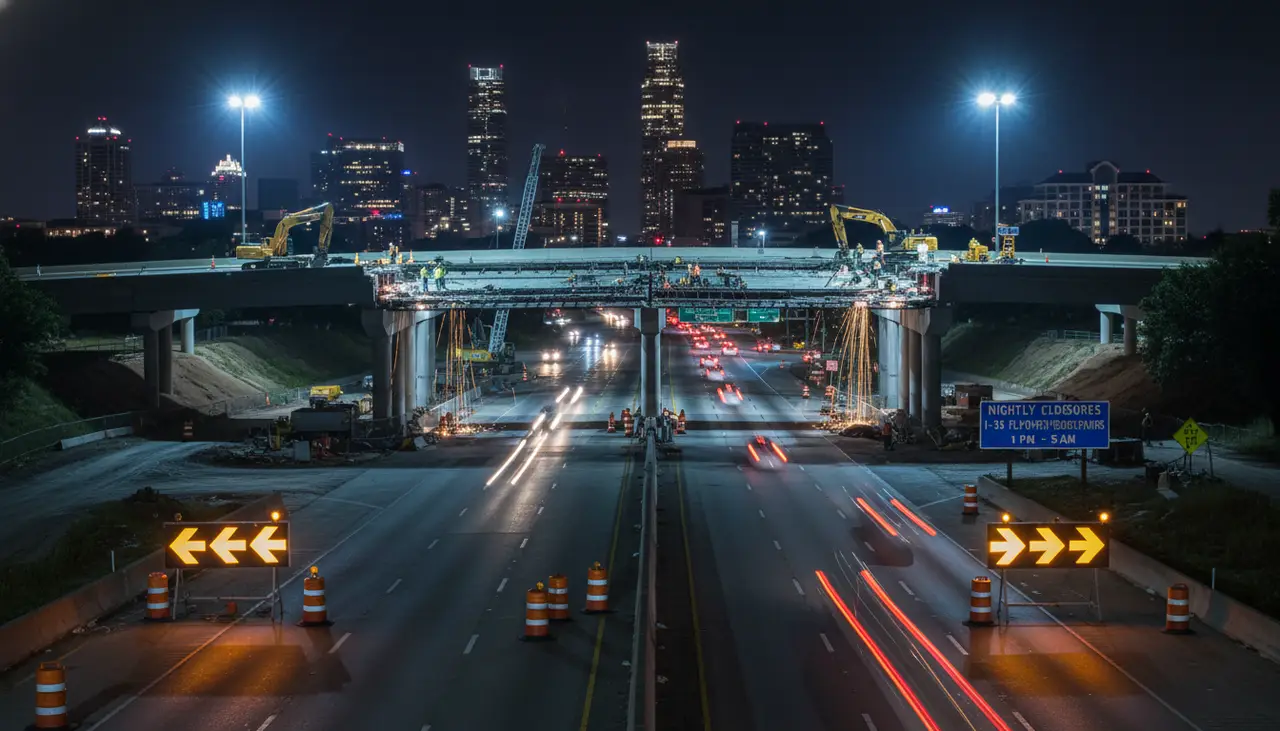
The Convention Center sits at a critical downtown location, intersecting neighborhood life and city infrastructure. Expansion construction has already caused lane closures and detours around East Cesar Chavez and Trinity Streets, increasing rush-hour congestion and extending commute times. If the lawsuit delays or stops the project, construction could drag on longer, forcing residents and workers to navigate prolonged disruptions.
Property owners and renters nearby face financial uncertainty. Large-scale projects like this can influence housing prices and rental costs, either through increased demand or prolonged construction noise and traffic. For local businesses, the project’s future affects customer access and revenue streams.
On a city-wide scale, the $1.6 billion price tag means taxpayer money and municipal bonds are at stake. If the election proceeds and voters reject the project, the city may have to reconsider funding or redesign plans, potentially increasing costs or redirecting funds from other community services.
If This Happens to You: What to Do Immediately
- Check your voter registration status and make sure you’re eligible to vote in the upcoming May election.
- Follow updates from the Austin City Clerk’s office, led by Erika Brady, on the election call and signature verification.
- Monitor traffic alerts around East Cesar Chavez and Trinity Streets to plan alternative routes during construction.
- Contact your neighborhood association or local representatives to voice concerns or get information on how the expansion might affect your property or commute.
- Document any property damage or disruptions caused by construction if you live or operate a business nearby.
- Prepare for potential noise and access issues through spring 2029, adjusting schedules or work-from-home plans accordingly.
- Stay informed about legal developments by following courtroom updates, especially any rulings from the Texas Supreme Court.
When Local Professional Help Becomes Necessary
If construction impacts your property, you need to contact a qualified contractor or repair service immediately. Delaying repairs could increase costs or safety risks.
Should you experience legal or financial concerns tied to property values, contracts, or city ordinances related to the Convention Center project, professional legal assistance becomes necessary. Austin-based attorneys familiar with municipal law and construction disputes can help you understand your rights and options.
If your daily commute or business operations suffer due to ongoing construction, consulting with urban planners or traffic management professionals can provide strategies to mitigate delays and disruptions.
Local Context: Why Austin Residents Should Pay Attention
The Austin Convention Center sits at the crossroads of downtown’s busiest neighborhoods, including East Cesar Chavez and the surrounding commercial districts. Many Austinites pass through this area daily, whether heading to work, school, or local businesses.
The outcome of this legal battle will shape the city’s infrastructure for years to come. Whether you live near the construction zone or simply commute through it, the stakes are high. Construction delays, increased taxes, and traffic headaches are real risks if the lawsuit prolongs or halts the project.
Residents must stay alert to deadlines, especially the Friday cutoff for election signatures in May, and prepare for the possibility of extended construction through 2029.
Where This Is Happening in Austin
The expansion and related legal fight center around the Austin Convention Center, located downtown near the intersection of East Cesar Chavez and Trinity Streets. This area lies within the East Cesar Chavez neighborhood, a vibrant part of Austin’s urban core.
Nearby streets include Red River Street and Riverside Drive, both major arteries for commuters and locals. The Convention Center area is a hub for business travelers and event attendees, making any disruption here ripple through Austin’s broader transportation network.
Locals often pass through this zone via public transit, bike lanes, or private vehicles, all of which are affected by ongoing construction and potential legal delays. The intersection serves as a gateway between residential neighborhoods and downtown’s commercial heart, underscoring why this dispute is not just a city project issue but a community concern.